




You want a family dentist in Tampa, FL who treats every age with gentle, skilled care and modern technology. You can find a local practice that combines preventive checkups, kid-friendly visits, restorative and cosmetic options, and personalized anxiety support to keep your whole family healthy and smiling.
They make preventive care simple and approachable, explain treatments in plain terms, and offer payment and insurance help so dental visits fit your schedule and budget. Expect modern comforts, advanced diagnostics, and a team that engages with the community to keep dental health accessible and understandable.
The article walks through family-focused preventive care, services for each age group, technology and comfort features, restorative and cosmetic choices, approaches to dental anxiety, and practical steps for your next visit — all aimed at helping you choose the best family dentist in Tampa.
Family-Oriented Preventive Dental Care
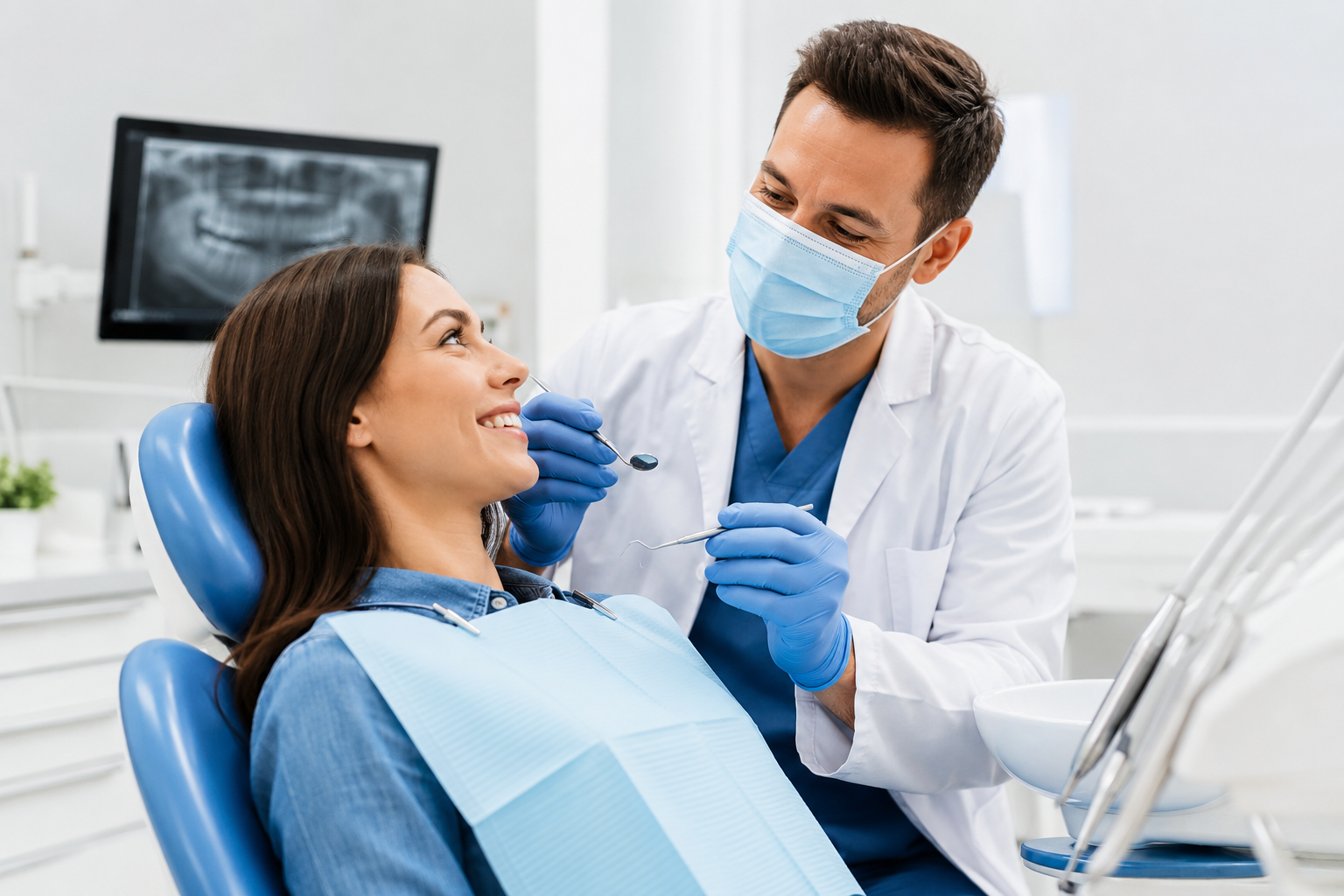
This section outlines practical preventive steps that protect smiles across childhood, adolescence, and adulthood. It focuses on regular professional care, early problem detection, and tailored home-care advice to reduce cavities, gum disease, and dental anxiety.
Routine Checkups and Cleanings
Dental teams recommend checkups every six months for most patients, with adjustments based on individual risk factors like dry mouth, braces, or a history of cavities. During each visit, clinicians perform a clinical exam, digital X-rays as needed, and a professional cleaning that removes plaque and tartar from above and below the gumline.
Cleanings include scaling and polishing to reduce bacteria and smooth tooth surfaces, which helps topical fluoride adhere better. Hygienists document gum measurements and note wear patterns, bruxism signs, and restoration integrity to guide future care.
Parents receive guidance on transitioning children from fluoride toothpaste smear to pea-sized amounts and on timing first dental visits. Adults are counseled on mouthwash choices, nicotine-related risks, and scheduling more frequent visits if they have systemic conditions such as diabetes.
Early Detection for All Ages
Early detection relies on systematic screening protocols tailored by age group and risk. For infants and toddlers, clinicians look for eruption problems, feeding-related decay, and developmental anomalies during brief, gentle exams. Detecting early childhood caries allows for minimally invasive treatment and behavior-based prevention.
For school-age children and teens, the team screens for orthodontic issues, sports-related injury risk, and molar sealant eligibility. Sealants are noted when deep pits or grooves increase decay risk. Adults undergo periodontal charting and oral cancer screening; high-risk patients receive more frequent monitoring and targeted imaging.
Clinicians document findings in the electronic chart and set evidence-based recall intervals. When practitioners spot early lesions or gum inflammation, they discuss non-surgical options first, such as topical fluoride, antimicrobial rinses, or guided tissue maintenance.
Personalized Oral Hygiene Guidance
Dental staff develop individualized home-care plans based on each person’s oral health status, dexterity, diet, and appliance use. Plans commonly include recommended toothbrush type (soft bristle, electric with pressure sensor), flossing method (threader, interdental brushes), and fluoride regimen tailored to caries risk.
They review effective brushing technique in short, hands-on demonstrations and provide written or video instructions for at-home practice. For children, clinicians suggest routines that pair brushing with daily activities and recommend flavored fluoride products appropriate for age.
Dietary counseling focuses on reducing frequent sugar exposure, choosing tooth-friendly snacks, and timing acidic beverage intake. For patients with special needs or limited manual dexterity, clinicians propose adaptive aids and schedule follow-ups to assess technique and adjust recommendations.
Patients are invited to ask questions and schedule consultations to implement these tailored strategies.
Comprehensive Services for Every Family Member
The practice offers focused care for children, teens and adults, and seniors with services tailored to each age and stage. Emphasis falls on prevention, comfortable treatment, and clear, actionable guidance for at-home care and follow-up.
Pediatric Dentistry Essentials
Pediatric visits prioritize gentle behavior guidance and early prevention. The team performs tooth-by-tooth exams, age-appropriate cleanings, fluoride varnish applications, and sealant placement on permanent molars to reduce cavity risk. They use child-sized instruments, animated explanations, and distraction techniques to keep visits calm and cooperative.
Parents receive specific feeding and brushing guidance, including when to transition to fluoride toothpaste and how to limit nighttime bottles. The office screens for early orthodontic issues and thumb-sucking habits, referring to an orthodontist when interceptive appliances can prevent more complex treatment later. Immunization or allergy notes are recorded, and visits include individualized home-care plans.
Emergency care for chipped or knocked-out baby teeth follows pediatric protocols: preserve the child’s comfort, rinse the tooth gently if present, and contact the office immediately for time-sensitive decisions. The practice schedules shorter, frequent appointments for anxious or very young patients to build trust.
Teen and Adult Dental Solutions
Teen and adult care focuses on restorative, cosmetic, and preventive services that match active lifestyles. Routine exams include digital X-rays, oral cancer screening, periodontal evaluation, and personalized cleaning intervals based on gum health. Common treatments cover composite fillings, root canal therapy, crowns, and tooth-colored restorations.
Orthodontic options include clear aligners for mild-to-moderate bite correction and retainers after treatment. Cosmetic services—professional whitening, porcelain veneers, and bonding—address aesthetic concerns with conservative approaches that preserve tooth structure. For bruxism, custom nightguards protect teeth and reduce jaw pain.
They manage sensitivity, recurring decay, and gum disease with targeted therapies: desensitizing agents, topical fluoride, scaling and root planing, and follow-up maintenance every 3–6 months as indicated. The office provides clear cost estimates and coordinates care with specialists when implants, periodontal surgery, or complex prosthetics are needed.
Senior Oral Health Needs
Senior care emphasizes preserving function, comfort, and nutrition while managing age-related changes. The team evaluates prosthetic needs—partials, full dentures, and implant-supported restorations—and fits or adjusts appliances to ensure proper bite and speech. They monitor root decay risk, gum recession, and dry mouth related to medications.
Periodontal maintenance becomes critical; the practice schedules deeper cleanings and more frequent check-ups for patients with a history of gum disease. Oral cancer screenings receive added attention because risk increases with age and tobacco or alcohol history. Care plans include dietary guidance to support oral health and referrals for medical-dental management when systemic conditions affect treatment.
For mobility or cognitive challenges, the office offers longer appointments, home-care coaching for caregivers, and coordination with primary care providers to align dental treatment with overall health needs.
Modern Comforts and Advanced Technology
The practice blends gentle care with precise diagnostics and amenities that reduce anxiety and speed treatment. Patients benefit from methods that limit pain, advanced imaging for accurate planning, and comforts that make visits calmer and shorter.
Pain-Free Treatment Techniques
They use topical anesthetics, computerized local anesthesia systems, and laser dentistry to reduce or eliminate injections and postoperative discomfort. Computer-controlled anesthesia delivers steady, slow flow so patients feel less pressure and fewer sharp sensations during numbing.
Minimally invasive instruments and high-speed suction lower vibration and noise, which cuts procedure time and sensitivity. For complex cases, sedation options such as oral conscious sedation or nitrous oxide are available and monitored, helping anxious patients remain relaxed while maintaining responsiveness.
Postoperative instructions and prescription options focus on controlling inflammation and preventing infection, reducing recovery time. They emphasize preservation of natural tooth structure and use adhesive restorations to avoid unnecessary drilling.
Digital X-Rays and Imaging
Digital radiography reduces radiation exposure by up to 70–80% compared with film, while producing images instantly for faster diagnosis. Intraoral sensors capture high-resolution images; panoramic and cone-beam CT (CBCT) scans map bone anatomy for implant planning and complex extractions.
Software allows dentists to zoom, measure, and compare images side-by-side, improving detection of cavities, root issues, and bone loss. 3D CBCT models help determine exact implant placement, nerve locations, and sinus relationships, reducing surgical surprises.
Digital impressions replace bulky trays with optical scanners that record dentition in minutes, improving crown and aligner fit and speeding lab turnaround. Secure digital records also facilitate consultations and second opinions with specialists.
Soothing Patient Amenities
Operatories often include noise-cancelling headphones, weighted blankets, and streaming entertainment to distract and calm patients during procedures. Reception areas and treatment rooms may offer heated neck pillows and aromatherapy options to create a more relaxing environment.
Care teams provide clear, stepwise explanations and real-time updates during treatment to reduce uncertainty. Flexible scheduling, same-day restorations when feasible, and online forms streamline the visit and minimize time spent in the chair.
Billing transparency, insurance coordination, and membership plans ease financial concerns so patients can focus on care. Staff training in empathetic communication ensures anxious or pediatric patients feel respected and safe.
Restorative and Cosmetic Treatments
This section outlines practical options to repair damaged teeth, improve appearance, and correct alignment. Patients can expect durable restorations, faster whitening choices, and orthodontic solutions tailored to family schedules and comfort.
Fillings, Crowns, and Bridges
For small to moderate cavities, tooth-colored composite fillings provide strength and match natural enamel. The dentist removes decay, places the composite in layers, and cures each layer with a light; treatment often finishes in one visit and requires minimal drilling.
Crowns restore teeth with large fractures or after root canal therapy. Options include porcelain-fused-to-metal, all-ceramic, and zirconia crowns. The process typically involves tooth preparation, an impression or digital scan, and a lab-fabricated crown placed at a second appointment; same-day CEREC crowns are available in some practices.
Bridges replace one or more missing teeth by anchoring to adjacent crowns or implants. Fixed bridges restore chewing function and speech, while implant-supported bridges offer greater longevity. The dentist evaluates bite, gum health, and bone volume to recommend the best material and support.
Teeth Whitening Options
In-office whitening uses higher-percentage peroxide gels and often a light or laser to accelerate results. Patients typically see several shades of improvement in a single 45–90 minute visit, with professional supervision to minimize sensitivity and gum irritation.
Take-home custom trays provide controlled, gradual whitening using lower-percentage gel for 1–2 weeks. Trays are made from impressions or scans so the gel contacts tooth surfaces precisely, reducing uneven results. Over-the-counter strips work for mild stains but lack customization and can cause more gum contact.
Maintenance includes avoiding staining foods and using touch-up gels or trays every 6–12 months. The dentist evaluates restorations because crowns and veneers do not whiten; replacement or blending strategies may be needed for a consistent smile.
Orthodontic Solutions
Clear aligners offer discreet tooth movement with removable trays that patients change every 1–2 weeks. Ideal for mild to moderate crowding or spacing, aligners require good compliance—20–22 hours wear per day—and periodic check-ins every 4–8 weeks.
Traditional braces remain the best choice for complex bite corrections and severe rotations. Modern brackets and low-profile wires improve comfort and hygiene, and treatment time usually ranges from 12–36 months depending on complexity.
For children, interceptive orthodontics can guide jaw growth using expanders or limited braces, reducing later treatment needs. The dentist or orthodontist will review X-rays, models, and treatment goals to choose a plan that balances effectiveness, appearance, and family routines.
Personalized Approach to Dental Anxiety
Patients receive calm, predictable care that addresses fear, pain control, and communication. Staff use clear explanations, short breaks, and proven comfort measures to help patients feel safe and in control.
Gentle Chairside Manner
The dentist and team prioritize clear, step-by-step explanations before and during procedures. They describe each instrument’s purpose and the sensations to expect, lowering uncertainty and perceived risk.
Clinicians use signal systems (hand-raise or stop signs) so patients can pause at any time. They offer breaks between steps and adjust treatment pace to match a patient’s comfort level.
Techniques like topical anesthetic before injections, small-gauge needles, and slow injection reduce pain. Staff monitor body language and vitals, modifying approaches when tension rises. The environment often includes soft lighting, noise-cancelling headphones, and blankets to make the chair feel less clinical.
Sedation Dentistry Choices
Sedation options span from minimal to moderate, tailored to medical history and procedure complexity. Oral sedatives (e.g., short-acting benzodiazepines) produce relaxation while keeping the patient responsive; providers review prescriptions, interactions, and fasting instructions beforehand.
Nitrous oxide offers fast onset and recovery, making it suitable for routine cleanings or minor work. It allows immediate adjustment of sedation depth and patients typically resume normal activities shortly after.
For longer or more invasive procedures, IV sedation delivers predictable, controllable sedation levels under continuous monitoring. The practice follows ASA guidelines: pre-op assessment, oxygen and cardiac monitoring, and post-op discharge criteria with a responsible escort when required.
Insurance, Payment Plans, and Accessibility
The practice accepts common dental plans, offers financing and in-office payment options, and sits near major Tampa transit routes and parking. Patients can expect staff help with claims, multiple payment methods, and wheelchair access for comfortable visits.
Navigating Dental Insurance
The office participates with Delta Dental, MetLife, Cigna, Aetna, Humana, and UnitedHealthcare networks. Patients should bring their insurance card and a photo ID to the first visit so the front desk can verify benefits and estimate patient responsibility before treatment.
Staff files claims electronically and will track claim status; if a carrier denies a service, they provide written estimates and explain appeal steps. For out-of-network plans, the clinic supplies itemized receipts (superbills) so patients can submit for partial reimbursement.
Preventive exams, cleanings, and X-rays are usually covered at higher percentages; restorative work and major procedures often require preauthorization. Patients receive a printed treatment estimate that lists insurance payments, patient co-pays, and remaining balances.
Flexible Financing Options
The practice offers CareCredit and LendingClub patient-financing plans with low- or no-interest options for qualifying applicants. Staff helps patients apply online during the visit and explain term lengths, monthly payment estimates, and any deferred-interest conditions.
For smaller balances, patients may use debit, credit cards, Apple Pay, or bank transfers at checkout. The office also provides in-house payment plans: a zero-interest two-month plan or a three- to six-month plan with a small administrative fee, set up with a signed agreement.
Financial coordinators review costs before treatment, suggest phased care to spread expenses, and document payment schedules in writing. They emphasize transparency so patients know exact monthly amounts and final payoff dates.
Convenient Office Location
The clinic sits on Westshore Blvd, two blocks from I-275 exit 45, making it easy for families across Tampa and St. Petersburg to reach. Free on-site parking includes two ADA-accessible spaces directly in front of the entrance.
Public transit riders can use HART Route 8 with a stop three minutes’ walk from the door. The reception area, treatment rooms, and restrooms meet ADA standards; a ramp and automatic door assist mobility-impaired patients.
Evening hours two nights per week and Saturday morning appointments reduce school- and work-day disruptions. Online appointment scheduling and SMS reminders simplify booking and reduce no-shows.
Community Engagement and Patient Education
The practice partners with local schools and community groups to deliver hands-on prevention, basic screenings, and caregiver training. It also equips families with simple, evidence-based routines and resources to prevent cavities and manage common childhood dental issues.
School and Outreach Programs
They run in-school fluoride varnish clinics and sealant drives at Title I and neighborhood elementary schools, providing protective treatments to children who might not otherwise visit a dentist. Licensed hygienists perform screenings, apply varnish, and record findings in standardized forms that parents receive the same day.
The team hosts twice-yearly assemblies that demonstrate proper brushing and flossing using large models and interactive Q&A, plus distributes age-appropriate toothbrushes and flossers. They coordinate with school nurses to flag urgent cases and arrange same-week referrals for teeth pain or suspected infections.
Volunteers from the office staff attend health fairs and senior centers, offering blood pressure checks and oral cancer risk assessments for older adults. Materials are bilingual (English/Spanish) and include step-by-step guides for finding low-cost care and applying for Medicaid/FL CHIP where eligible.
Empowering Healthy Smiles at Home
They give parents clear, actionable home plans after every child’s visit: recommended toothpaste fluoride levels by age, timed brushing routines (two minutes, twice daily), and snack swaps to reduce frequent sugar exposure. The guide lists specific foods to limit—juice, gummy candies, and sour candies—and suggests tooth-friendly substitutes like cheese, plain yogurt, and water.
For anxious children, the office provides simple behavioral tips: practice visits with a toy, role-play with a chair-and-mirror “exam,” and a progress sticker chart that rewards consistent brushing. A one-page care sheet outlines when to call the office for pain, swelling, fever, or a knocked-out tooth, plus step-by-step first aid for dental trauma.
They maintain an online patient portal with short instructional videos on flossing technique, brushing for young children, and how to care for braces or clear aligners. Families can message the team directly for quick clarifications or to schedule preventive visits.
Your Next Steps with Our Caring Team
Patients can schedule a visit by phone or through the online form, and the front desk will confirm appointments quickly. They will receive a reminder and a checklist of what to bring, such as insurance information and any recent X-rays.
During the first visit, the team conducts a gentle exam and reviews medical history to tailor care to each family member. They explain findings in plain language and outline treatment options, emphasizing comfort and preventive choices.
If treatment is recommended, staff discuss scheduling, estimated costs, and available payment plans. They provide written estimates and help with insurance claims so families understand financial aspects before proceeding.
For anxious patients, the practice offers comfort measures like noise-cancelling headphones and sedation options when appropriate. The dental team explains each step of a procedure beforehand to reduce surprises and build trust.
Regular checkups and cleanings form the foundation of long-term oral health, and the team will recommend an individualized recall schedule. They also offer at-home care tips—simple steps patients can take every day to prevent common problems.
Patients can call with questions or upload photos of concern via the patient portal for quick advice. They encourage readers to request an appointment or ask about services to start a comfortable, confident dental experience.
Frequently Asked Questions
This section answers practical concerns families commonly raise about pediatric care, adult preventive visits, emergency options, sedation choices, appointment frequency, and prescription scope.
How do I choose a dentist that’s a good fit for my whole family, from kids to grandparents?
A good family dentist offers experience treating all age groups, from toddlers to seniors, and maintains certifications in pediatric care and geriatric considerations.
Look for a practice with flexible scheduling, child-friendly spaces, and equipment that accommodates older adults (wide-open chairs, easy access, and medical-history coordination).
Ask about preventive programs, fluoride and sealant offerings for children, and management plans for chronic conditions like dry mouth or periodontal disease in older patients.
Confirm the dentist refers to specialists (orthodontists, oral surgeons) when needed and coordinates care across providers.
What should I expect during a first visit, and how can I help my child feel comfortable at the dentist?
Expect a health-history review, a gentle oral exam, routine X-rays as appropriate, and a discussion of preventive care tailored to each family member.
For children, staff typically demonstrate instruments on a toy or mirror and explain procedures in simple terms before starting.
Parents can prepare by reading picture books about dentist visits, scheduling morning appointments when kids are rested, and staying calm; caregivers should avoid using threats or bribes.
If separation is needed, the office will guide a brief parent exit strategy to build the child’s independence gradually.
How often should my family schedule cleanings and checkups to prevent cavities and gum disease?
Most patients benefit from dental cleanings and exams every six months to remove plaque and catch problems early.
Children with high cavity risk or adults with active gum disease may need visits every three to four months.
The dentist will set a recall schedule based on each person’s decay risk, gum status, and medical history, then adjust as oral health improves.
Insurance coverage and preventive programs often influence scheduling, so confirm benefits before appointments.
What are my options if I’m nervous about dental visits or have a strong gag reflex?
Clinics offer several options: nitrous oxide (laughing gas) for mild anxiety, oral sedatives for moderate anxiety, and IV sedation for more complex needs—each requires medical screening.
For a strong gag reflex, clinicians use distraction techniques, topical numbing sprays, slower instrument approaches, and smaller impression trays.
Behavioral strategies such as guided breathing, short appointment segments, and pre-appointment consultations help reduce fear.
Discuss anxiety history and medications with the receptionist so staff can plan appropriate accommodations before the visit.
Do you offer same-day or emergency appointments for toothaches, broken teeth, or swelling?
Many family dental practices reserve slots for same-day or next-day emergency care for severe tooth pain, trauma, or swelling that could signal infection.
Call the office immediately for triage; staff will advise whether immediate in-office treatment, antibiotics, or urgent referral is necessary.
For swelling with difficulty breathing or swallowing, seek emergency medical care right away and then notify the dentist for follow-up.
Keep the practice’s after-hours contact information handy and know local urgent dental clinics for weekend needs.
Can a dentist prescribe medications like fluconazole, and when is that appropriate?
Dentists can prescribe antifungal medications such as fluconazole for oral fungal infections (oral thrush) when clinically indicated and after proper examination.
They evaluate symptoms, risk factors (diabetes, inhaled steroid use, denture hygiene), and may take a swab or culture before prescribing.
If a systemic issue or complex interaction exists, the dentist coordinates care with the patient’s primary care provider or a specialist before starting systemic antifungals.
Patients should report current medications and allergies to avoid interactions and ensure safe prescribing.