



You can find affordable, high-quality dental care in Tampa without sacrificing comfort or modern treatment options. Tampa dentists offer transparent pricing, multiple payment solutions, and preventive plans that make routine care and common treatments accessible for most budgets.
You’ll learn what drives dental costs, how to compare local providers, and which payment or savings options can lower your out-of-pocket expenses. Expect clear guidance on preventive steps and modern treatments that reduce future costs while keeping care comfortable and personalized.
Understanding the Cost of Dental Services
This section explains typical fees for common procedures, reasons prices differ across Tampa, and the main factors that influence what patients pay. It aims to give clear numbers, practical examples, and choices patients can use when planning care.
Common Dental Treatments and Their Typical Fees
Common procedures in Tampa have a range based on complexity and materials. Basic preventive care like cleanings and exams typically runs $70–$200 per visit. A standard X-ray set adds about $25–$150 depending on type (bitewing vs. full-mouth).
Fillings vary by material and size: amalgam fillings often cost $100–$250, while composite (tooth‑colored) fillings usually fall between $150–$400. Simple extractions range $125–$350; surgical extractions or impacted wisdom tooth removal commonly cost $250–$800. Root canals vary by tooth: front tooth $500–$900, premolar $700–$1,100, molar $900–$1,600.
Crowns typically cost $800–$2,000 each depending on material (porcelain-fused-to-metal vs. zirconia). Dental implants (surgical implant plus crown) usually total $2,500–$5,000 per tooth. Dentures run $600–$3,000 for partials and $1,200–$4,000 for full sets, depending on lab work and materials.
Why Dental Costs Vary in Tampa
Location within Tampa affects overhead and therefore patient fees. Practices in South Tampa or Davis Islands often have higher rent and staffing costs than clinics in more suburban areas, which raises prices marginally.
Dentists’ training and technology influence cost. Specialists (endodontists, periodontists) charge more for advanced skills, and practices with in-house milling or 3D imaging pass equipment costs into procedure fees. Emergency or same-day services usually carry premium charges.
Insurance participation changes out‑of‑pocket amounts. In‑network providers set negotiated rates that lower patient costs, while out‑of‑network care typically results in higher bills. Sliding-scale clinics and community health centers in Tampa offer reduced fees based on income, affecting where patients choose care.
Factors That Influence Dental Pricing
Materials and lab fees make a significant impact: gold, zirconia, and high-end implant components cost more than base materials. Custom lab work for crowns and dentures increases price, as does use of premium ceramics for aesthetics.
Clinical complexity matters. Multiple visits, bone grafts, sinus lifts, or treating infections add procedural time and supply costs. Longer chair time and anesthesia (IV sedation or general) also raise the fee.
Practice overhead includes rent, utilities, staff salaries, and compliance with Florida regulations. Higher overheads typically mean higher patient fees. Additionally, patient-specific factors such as medical history, need for pre-treatment imaging (CBCT), or desire for cosmetic outcomes change recommended treatment plans and final costs.
Choosing the Right Tampa Dentist for Your Budget
A practical search balances cost, convenience, and quality. Focus on verified prices, insurance or financing options, and patient comfort when comparing offices.
How to Compare Local Dental Practices
List nearby clinics and collect concrete data: published fees for common procedures (exam, cleaning, filling), accepted insurance plans, and availability of in-house financing. Check office hours and location to estimate travel and time costs.
Read recent reviews that mention pricing transparency, wait times, and staff friendliness. Pay attention to recurring comments about unexpected charges or billing errors.
Use a simple comparison table to organize findings:
| Clinic | Cleaning (Adult) | Exam & X‑ray | Insurance | Financing | Evening Hours |
|---|---|---|---|---|---|
| Example A | $85 | $120 | Aetna, Cigna | Yes (3–12 mo) | Yes |
| Example B | $70 | $140 | None | CareCredit only | No |
Ask for a cost estimate in writing for any recommended treatment to avoid surprises. Confirm whether prices are bundled or itemized.
Questions to Ask During Your Consultation
Start with direct cost questions: “What is the total estimated cost for this treatment?” and “What’s included in that estimate?” Request alternatives and their price differences, such as composite vs. amalgam fillings or in-office whitening vs. take‑home kits.
Ask about preventative plans: “Do you offer membership plans, discounts for bundled care, or sliding-scale fees?”
Clarify scheduling and follow-up costs: “Are post-op visits, X‑rays, or lab fees included?” Inquire about emergency care and associated fees outside normal appointments.
Verify clinician credentials and sedation options if anxiety affects treatment choices. Finally, ask how billing disputes are handled and who to contact about insurance claims.
Understanding Office Payment Policies
Request a written copy of the office’s payment policy before treatment. It should state accepted payment methods, deposit requirements, cancellation fees, and timelines for full payment.
Confirm whether the office files insurance claims directly and if patients must pay the entire amount upfront or only estimated patient responsibility.
Learn about financing options: ask about low‑interest plans, third‑party lenders, and monthly payment thresholds. Compare interest rates and total cost over time rather than only monthly payments.
Check refund policies for unused services and policies for broken appointments. Clear payment terms help avoid unexpected expenses and keep care within budget.
Payment Solutions and Savings Options
This section explains common ways patients lower out‑of‑pocket costs and spread payments for dental work in Tampa. It highlights insurance realities, flexible financing, and lower‑cost membership plans so readers can pick practical options.
Dental Insurance Benefits and Limitations
Dental insurance typically covers preventive visits fully or with small copays, such as two cleanings and exams per year. Basic procedures like fillings often receive 70–80% coverage after a deductible, while major services—crowns, root canals, implants—may be covered at 50% or less, and some plans exclude implants entirely.
Annual maximums commonly range from $1,000 to $2,000; once reached, patients pay 100% of additional costs. Waiting periods (6–12 months) for major services can apply to new policies. In-network dentists usually accept negotiated fees, lowering costs, while out-of-network care can lead to higher patient responsibility.
Patients should verify coverage details: deductibles, annual maximum, waiting periods, and frequency limits (e.g., two cleanings per year). Bringing the insurance card and treatment estimate to the first visit helps staff file claims promptly and avoid surprise bills.
Flexible Payment Plans
Many Tampa dental offices partner with third-party lenders to offer no-interest or low-interest plans for 6–18 months, or extended plans up to 60 months for larger treatments. Qualification often depends on a soft credit check; approvals can occur within minutes, enabling immediate scheduling for necessary work.
Clinics also provide in-office payment splits for smaller balances, allowing patients to pay a down payment and set monthly installments. Typical structures: 25% down with remaining balance paid over 3–12 months, or a fixed monthly fee tied to the treatment cost.
Patients should compare APR, late-fee policies, and total repayment amounts before selecting a plan. Request a written amortization schedule and keep a copy of any agreement. Clear communication with the office will prevent missed payments and help the practice assist with rescheduling or alternative options if finances change.
Dental Discount Programs
Dental discount plans (membership plans) charge an annual fee—commonly $99–$199—and provide 10–60% off services at participating Tampa providers. These are not insurance; discounts apply at the point of service and cover preventive care, restoratives, and often crowns or root canals at reduced rates.
Many local practices run their own in-house membership plans that include two cleanings, X-rays, and a reduced rate on other treatments. For families, discounted family plans or child add-ons can significantly lower routine care costs.
Before joining, check the provider network, covered services, exclusions, and whether common specialists (periodontists, endodontists) accept the plan. Ask for sample fee schedules to compare savings against typical insurance reimbursements and calculate which option best suits expected treatment needs.
Preventive Strategies to Reduce Future Costs
Preventive care focuses on early detection, consistent daily habits, and using local resources to avoid expensive treatments later. Small, regular actions—plus timely professional care—deliver the biggest savings over time.
Importance of Regular Checkups
Dental checkups every six months help catch cavities, gum disease, and bite problems before they demand crowns, root canals, or extractions. During these visits, clinicians perform an oral exam, digital X-rays when needed, and a professional cleaning that removes hardened plaque (calculus) which at-home brushing cannot fully eliminate.
Early detection of gum inflammation (gingivitis) prevents progression to periodontitis, which otherwise can require deep cleanings (scaling and root planing) or surgery. Dentists also screen for oral cancer and evaluate wear patterns that signal bruxism, offering night guards to protect teeth and save on restorative costs. Maintaining routine visits keeps records current and enables personalized preventive plans, reducing surprise bills.
Daily Oral Care Habits
Brushing twice daily with a fluoride toothpaste and a soft-bristled brush removes plaque and strengthens enamel. Flossing once daily cleans interdental spaces where most cavities begin; interdental brushes or water flossers work well for bridges and wide spaces.
Limit sugary snacks and acidic drinks to meal times to lower acid attacks on enamel. Rinse with water after acidic or sugary intake if brushing immediately isn’t possible. Use a fluoride mouthwash nightly for added protection if recommended by a dentist. Replace the toothbrush every three months or after illness. Small, consistent habits like these reduce the incidence of cavities and gum disease, cutting the need for fillings and periodontal care.
Community Resources for Affordable Prevention
Tampa offers sliding-scale clinics and Federally Qualified Health Centers (FQHCs) providing preventive services at reduced fees; examples include Tampa Family Health Centers and Hillsborough County community clinics. Local dental schools, such as the University of South Florida programs, often run low-cost preventive clinics staffed by supervised students.
Nonprofit organizations and mobile dental units hold periodic free screening events—check Tampa city health department calendars and United Way announcements. Medicaid and CHIP cover preventive exams and cleanings for eligible patients; verify benefits through Florida Medicaid or by calling local clinics. Many private practices offer discounted preventive-care packages or membership plans that cover two cleanings and exams annually for a fixed yearly fee, which can be cheaper than paying per visit.
Modern Treatments That Help Save Money
Modern dental care reduces long-term costs by preventing extensive repairs, shortening treatment time, and improving outcomes. Patients benefit from less-invasive techniques, faster restorations, and technology that catches problems earlier.
Innovative Approaches for Cost-Effective Care
Clinics often use bundled care plans and preventive-focused programs that lower lifetime dental spending. For example, a practice may offer periodic exam + cleaning + fluoride at a single reduced rate, which reduces the chance of costly fillings or root canals later. Dental membership plans can substitute for insurance for uninsured patients and typically cover routine care and discounts on restorative work.
Care coordination also saves money: dentists collaborate with hygienists, dental therapists, and insurance coordinators to streamline appointments and reduce repeat visits. Community clinics frequently use sliding-scale fees based on income, and many Tampa practices accept CareCredit or in-house financing to spread out payments without high-interest credit card rates.
Minimally Invasive Procedures
Minimally invasive dentistry focuses on preserving tooth structure, which extends tooth life and avoids expensive crowns or extractions. Techniques include air abrasion for small cavities, resin infiltration for early decay, and microdentistry approaches that use smaller burrs and magnification to remove only diseased tissue.
Silver diamine fluoride (SDF) arrests decay in certain patients, preventing restorative treatment when appropriate. Composite bonding and onlays repair damage with less tooth removal compared with full crowns, reducing lab costs and treatment time. Fewer appointments and simpler restorations translate directly into lower fees and less time off work for patients.
Latest Technology Benefits
Digital x-rays, intraoral scanners, and 3D CBCT imaging speed diagnosis and reduce unnecessary procedures. Digital impressions eliminate retakes and lab remakes, which shortens turnaround and often lowers lab costs passed to patients. Intraoral cameras help dentists document small lesions early, enabling conservative treatment before larger, costlier interventions are needed.
Laser-assisted gum therapy and diode lasers can treat periodontal pockets with less chair time and quicker healing, lowering follow-up visits. Chairside CAD/CAM systems allow same-day crowns and bridges, cutting lab expenses and avoiding temporary restorations. Practices that invest in these technologies frequently offer transparent pricing and itemized estimates, helping patients compare options and plan financially.
Questions about which modern option fits a patient’s needs encourage a consult with a dental professional to review costs, benefits, and financing choices.
Patient Comfort and Personalized Care in Tampa
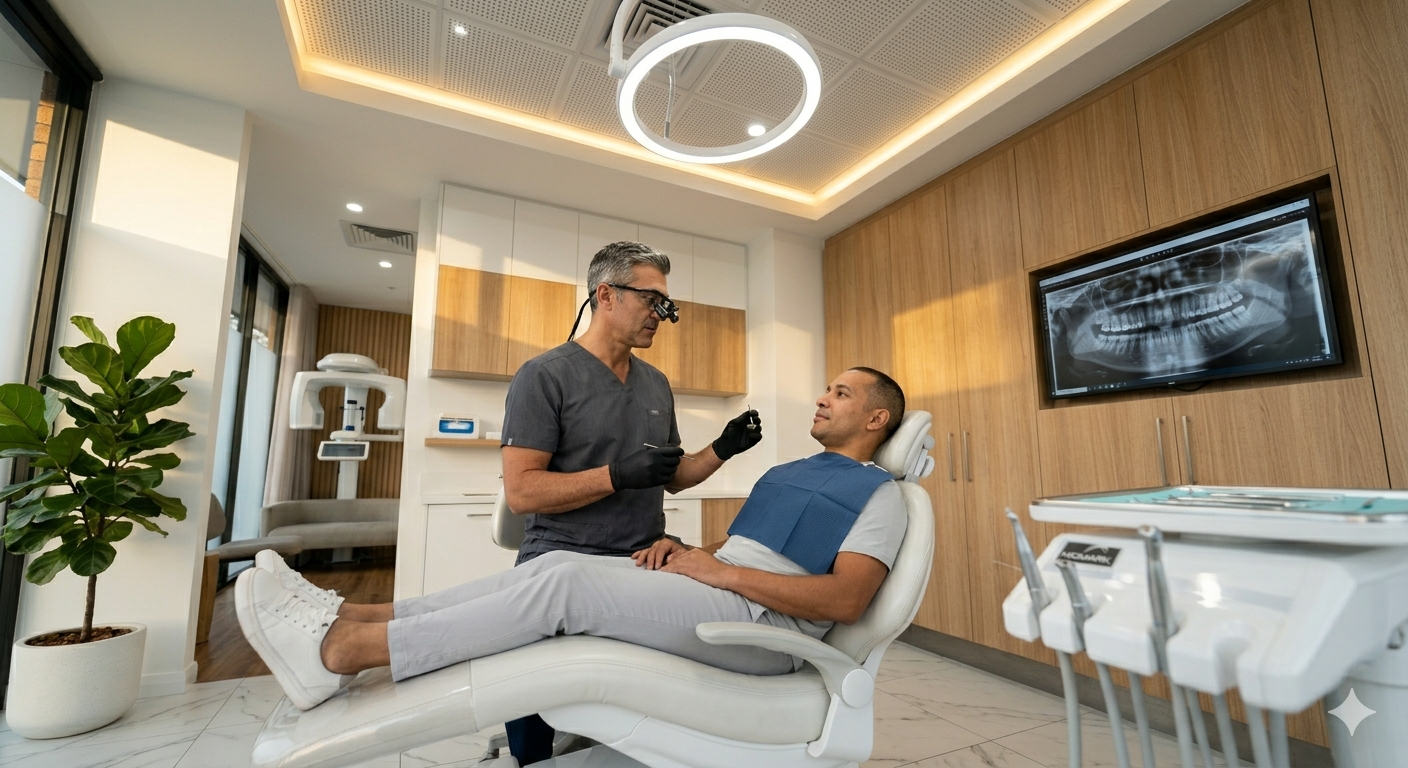
Tampa dental practices prioritize patient comfort through gentle communication and calming office environments. They often offer amenities like noise-cancelling headphones, blankets, and sedation options for anxious patients.
Clinics tailor treatment plans to each person’s needs, considering medical history, budget, and lifestyle. Dentists explain procedures in plain language and show before-and-after visuals so patients understand expected outcomes.
Appointments emphasize preventive care with routine cleanings, fluoride treatments, and clear at-home guidance. These small steps reduce the need for costly procedures later and help patients keep long-term oral health.
Many offices use modern technology—digital X-rays, intraoral cameras, and soft-tissue lasers—to shorten visits and increase precision. Technology also aids comfort by minimizing invasive steps and improving recovery times.
Payment transparency and flexible scheduling support accessibility. Practices frequently provide payment plans, sliding-scale fees, or insurance help to ease financial concerns.
Patients benefit from follow-up communication, including post-procedure calls and care instructions. This attention reduces uncertainty and promotes faster healing.
- Comfort features: headphones, blankets, sedation
- Personalized care: tailored plans, plain-language explanations
- Preventive focus: cleanings, fluoride, home care tips
- Tech advantages: digital X-rays, intraoral cameras
They encourage readers to ask questions, request a consultation, or discuss comfort options before any appointment.
Taking the Next Step Toward a Healthier Smile
They should start by scheduling a simple exam to identify immediate needs. A short visit can reveal cavities, gum issues, or risk factors that are easy to treat early.
Patients can ask about financing and low-cost care options when they call. Many Tampa clinics offer sliding scales, payment plans, or community clinic slots to keep treatment affordable.
Consider preventive visits every six months to reduce future costs and complications. Cleanings and routine X-rays catch problems early and often save money compared with major restorative work.
They may explore care bundles or membership plans that combine cleanings, exams, and discounts on procedures. Compare what each plan covers and any waiting periods before committing.
Prepare for the appointment by bringing ID, insurance details, and a list of medications. Also note any dental anxiety or accessibility needs so staff can arrange a comfortable visit.
If cost remains a barrier, they can look into local dental schools and nonprofit programs. These options provide supervised care at reduced rates without sacrificing safety or quality.
Encourage them to call the chosen clinic with questions and to request an itemized estimate before treatment. Clear information helps them make confident decisions and keeps dental care predictable.
Frequently Asked Questions
This section answers common cost, access, and same-day care questions specific to Tampa, including typical price ranges, emergency options without insurance, local low-cost clinic details, and financing choices.
How much does a basic dental exam and cleaning usually cost in Tampa?
A routine exam and adult cleaning in Tampa typically costs between $75 and $150 without insurance. Prices vary by office, with some community clinics offering sliding-scale fees as low as $25–$50 for income-qualified patients.
What are my options if I need emergency dental care but don’t have insurance?
Patients can visit hospital emergency rooms for severe infections or uncontrolled bleeding, but ERs usually treat pain and infection and refer for follow-up dental work. Local urgent-care dental clinics and some Tampa dental offices accept walk-ins for emergencies and often provide immediate pain relief with options to arrange payment plans.
Are there any low-cost or free dental clinics in the Tampa area, and who qualifies?
Yes. Examples include county-supported community clinics and nonprofit dental events that provide reduced-cost or free care for low-income, uninsured, elderly, or disabled residents. Eligibility typically depends on income, residency, age, or proof of uninsured status; call clinics directly for current qualifications and appointment rules.
Can I get same-day or walk-in dental care in Tampa for a toothache or broken tooth?
Many Tampa dental practices reserve slots for same-day emergency visits and offer walk-in windows for acute pain or trauma. Call ahead when possible to confirm availability; outside regular office hours, dental urgent-care centers provide extended-hour coverage.
What’s the typical cost range for dentures versus dental implants, and how do I choose?
Partial or full dentures in Tampa usually range from $600 to $3,000 per arch depending on materials and lab work. Single-tooth implants, including crown and placement, commonly run $2,000 to $5,000 or more. Choice depends on oral health, bone density, budget, and desired permanence; a dentist will assess bone structure and discuss durability, aesthetics, and long-term costs.
Do any Tampa dental offices offer payment plans or financing to make treatment more manageable?
Yes. Many practices partner with third-party financers (CareCredit, LendingClub) and offer in-house payment plans with monthly installments. Patients should ask about interest rates, promotional periods, and any down payments before scheduling treatment.