





If you snore, wake gasping, or feel exhausted despite a full night’s sleep, a sleep apnea dentist in Tampa, FL can help identify and treat the problem close to home. A trained dentist can diagnose obstructive sleep apnea and offer effective, comfortable oral appliance therapy that improves breathing and sleep without CPAP for many patients.
This article explains how dentists evaluate airway issues, the modern treatment options available in Tampa, and what to expect during diagnosis and follow-up care. It guides you through choosing a practice that prioritizes comfort, uses up-to-date technology, and coordinates care with sleep physicians when needed.
Understanding Sleep Apnea
Sleep apnea is a medical condition where breathing repeatedly stops and starts during sleep. It causes fragmented sleep and reduced oxygen levels, which affect daytime function, heart health, and overall quality of life.
Common Signs and Symptoms
Loud, chronic snoring—often described by partners as gasping or choking—is one of the most noticeable signs. Pauses in breathing witnessed by a bed partner strongly suggest obstructive sleep apnea and warrant evaluation.
Excessive daytime sleepiness shows up as falling asleep during meetings, while driving, or needing naps after meals. Morning headaches, dry mouth, and sore throat on waking point to disrupted breathing and mouth-breathing during the night.
Cognitive symptoms include poor concentration, memory lapses, and increased irritability. Nighttime sweating and frequent urination can also accompany sleep apnea, especially in older adults. Risk factors like obesity, large neck circumference, nasal congestion, and certain jaw anatomy make apnea more likely.
Health Risks Associated With Untreated Sleep Apnea
Untreated sleep apnea raises the risk of high blood pressure by repeatedly stressing the cardiovascular system overnight. This increases the chance of heart attack, stroke, and abnormal heart rhythms such as atrial fibrillation.
Metabolic effects include worsening insulin resistance and higher risk of type 2 diabetes. Chronic low oxygen levels drive inflammation that contributes to atherosclerosis and other circulation problems.
Mood disorders and cognitive decline are more common with long-term untreated apnea. For people with existing medical conditions—like heart disease or COPD—sleep apnea can worsen outcomes and complicate treatment plans.
How Sleep Apnea Impacts Daily Life
Daytime sleepiness reduces productivity and increases accident risk, especially while driving or operating machinery. Patients often report missed family events, trouble staying alert at work, and a general decline in enjoyment of activities.
Relationship strain frequently stems from disruptive snoring and partner sleep loss. Dental and oral health issues—such as tooth wear from grinding and dry mouth from mouth-breathing—are common complaints seen in dental practices.
Treatment can restore restful sleep and improve daytime function. Dentists work with physicians to offer oral appliance therapy, positional devices, or referrals for CPAP and sleep studies, focusing on comfort and adherence to help patients get better sleep and healthier lives.
The Role of Dentistry in Sleep Apnea Care
Dentistry often identifies and treats sleep-disordered breathing using targeted oral devices, airway assessments, and coordination with medical teams. Patients benefit from personalized jaw and dental evaluations, noninvasive therapy options, and ongoing appliance maintenance.
Why a Dentist May Be Your First Step
Dentists in Tampa routinely screen for sleep apnea during routine exams by checking bite alignment, tongue space, neck circumference, and signs of teeth grinding. These observable findings let a dentist flag risk quickly and recommend next steps without delay.
A dentist can perform or refer for a home sleep test or coordinate an in-lab sleep study when clinical signs are present. Many patients first learn they may have obstructive sleep apnea because their dentist notes a collapsed airway posture or retrognathia during an exam.
Dentists also document oral health issues that worsen sleep breathing, such as missing posterior teeth or enlarged tonsils visible intraorally, and they take dental records and intraoral scans to design effective oral appliances.
Oral Appliance Therapy Overview
Oral appliance therapy (OAT) uses custom-fit devices that advance the lower jaw to keep the airway open during sleep. Devices are fabricated from dental impressions or digital scans and adjusted to optimize comfort and efficacy.
OAT suits patients with mild-to-moderate obstructive sleep apnea and those intolerant of CPAP. Typical benefits include reduced snoring, improved daytime alertness, and easier adherence for people who can’t tolerate masks.
Follow-up includes titration appointments, periodic sleep testing to confirm response, and dental checks for bite changes, tooth movement, or jaw pain. Patients should expect lifetime maintenance and occasional device replacement.
Collaboration With Medical Professionals
Effective sleep apnea care combines dental treatment with physician oversight. Dentists coordinate with sleep physicians, ENTs, and primary care providers to confirm diagnosis, determine severity, and decide if OAT alone is appropriate.
Communication typically includes sharing sleep study results, appliance fit notes, and progress reports. For moderate-to-severe cases or when OAT alone is insufficient, teams discuss CPAP, surgical options, or positional and weight-management strategies.
A coordinated plan clarifies responsibilities: the sleep physician manages diagnostic testing and medical therapy; the dentist provides appliance fabrication, adjustments, and oral health monitoring. This team approach improves safety, outcome tracking, and patient comfort, and encourages follow-up sleep testing when needed.
Diagnosis and Evaluation Process
This section explains how a Tampa dentist identifies obstructive sleep apnea (OSA) and evaluates candidacy for oral appliance therapy. It covers the in-office consultation steps and the sleep testing options patients may encounter.
What to Expect During a Dental Sleep Consultation
The initial visit usually lasts 45–60 minutes and begins with a focused medical and sleep history review. The dentist asks about snoring intensity, witnessed pauses, daytime sleepiness (often using the Epworth Sleepiness Scale), and prior CPAP experience.
A targeted oral exam follows to assess jaw position, bite, tongue size, palate shape, and airway anatomy. The dentist inspects for bruxism, tooth wear, TMJ issues, and existing restorations that affect appliance fit.
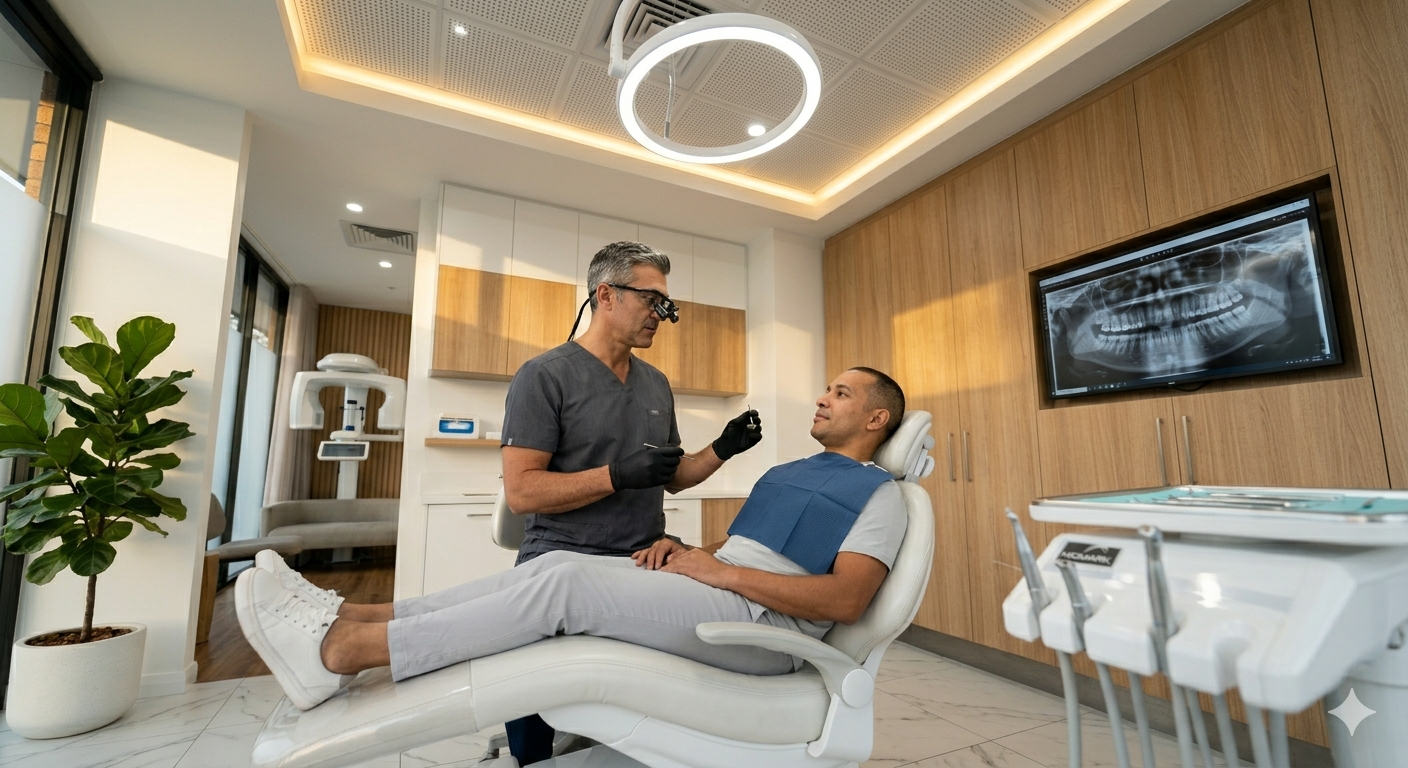
Most clinics take digital intraoral scans or impressions and may obtain photographs and CBCT imaging to visualize airway space. These records guide appliance selection and predict treatment response.
The dentist discusses treatment goals, risks, costs, and follow-up frequency. They explain titration visits, compliance monitoring, and when referral to a sleep physician or ENT is recommended.
Sleep Studies and At-Home Testing Options
A formal sleep study confirms OSA and measures severity using the Apnea-Hypopnea Index (AHI). In-lab polysomnography records brain waves, oxygen levels, airflow, and muscle activity overnight and remains the diagnostic gold standard.
Home sleep apnea testing (HSAT) uses portable monitors to record airflow, respiratory effort, and oxygen saturation. HSAT suits patients with a high pre-test probability of moderate-to-severe OSA and no complex cardiopulmonary or neuromuscular conditions.
Dentists in Tampa commonly coordinate with sleep physicians to obtain test results and treatment prescriptions. If HSAT is inconclusive, the dentist or physician may order in-lab testing before approving oral appliance therapy.
Patients should bring sleep study reports, current CPAP data (if applicable), and a list of medications to their dental appointment. Clear documentation speeds decision-making and ensures the chosen therapy matches the documented severity of airway obstruction.
Modern Treatment Solutions
Patients can expect comfortable, personalized options ranging from custom oral devices to lifestyle adjustments and scheduled follow-up that together reduce airway collapse and improve sleep quality.
Custom-Fitted Oral Appliances
Dentists in Tampa fit devices molded from precise dental impressions or digital scans to keep the lower jaw slightly forward during sleep.
These mandibular advancement devices (MADs) are adjustable, made of medical-grade acrylic, and designed to minimize jaw pain and tooth movement.
A typical process includes an initial exam, jaw position records, trial fitting, and periodic adjustments over several weeks.
Patients usually wear the appliance nightly; improvement in snoring and daytime sleepiness often appears within 1–4 weeks.
Side effects can include mild jaw stiffness or excess salivation; the dentist monitors these and modifies the fit or recommends exercises.
Insurance may cover medically necessary devices when sleep studies confirm obstructive sleep apnea (OSA).
The practice will document findings, submit claims, and provide letters of medical necessity to simplify reimbursement.
Lifestyle Changes That Support Treatment
Weight reduction, positional therapy, and alcohol avoidance before bedtime significantly enhance appliance effectiveness.
A loss of 5–10% body weight often reduces apnea severity; dentists coordinate with primary care or nutritionists for safe plans.
Positional therapy—using pillows or wearable devices to prevent back-sleeping—reduces apneas for patients with position-dependent OSA.
Smoking cessation and limiting sedatives also improve airway tone and responsiveness.
Dentists advise consistent sleep schedules and CBT-I referrals for persistent insomnia, because better sleep hygiene complements any device-based therapy.
Clear, measurable goals (weight targets, nightly device use logs) help track progress and guide follow-up adjustments.
Monitoring and Follow-Up Care
Follow-up begins 4–6 weeks after insertion to check fit, bite changes, and symptom response, then continues at least every 6–12 months.
Dentists perform oral exams, face-joint assessments, and dental arch measurements to detect tooth movement or TMJ strain early.
Objective outcome measures include patient sleep questionnaires, partner reports, and referral for repeat home sleep testing when symptoms persist or worsen.
If oral appliance therapy does not adequately reduce apnea, the dentist coordinates with a sleep physician about CPAP, combination therapy, or surgical referral.
Maintenance instructions cover nightly cleaning, storage, and when to replace the appliance (typically every 2–5 years).
Timely monitoring preserves oral health and ensures the chosen therapy continues to protect the airway and improve daytime function.
Choosing the Right Practice in Tampa FL
Finding a practice that combines clinical skill, modern equipment, and genuine patient care will make diagnosis and treatment smoother. Look for clear communication, measurable outcomes, and options that fit lifestyle needs.
Qualities of a Trusted Sleep Dentistry Team
A trusted team in Tampa displays clear credentials and transparent processes. They list board certifications, dental sleep medicine affiliations (e.g., AADSM), and provide before-and-after treatment summaries or patient testimonials.
Staff should offer an initial screening that includes a medical history review, daytime sleepiness assessment (Epworth Sleepiness Scale), and explanation of treatment choices like oral appliance therapy versus CPAP. Communication matters: the practice answers insurance questions, provides cost estimates, and explains follow-up schedules.
Patient comfort is prioritized through chairside sedation options, adjustable appliance fittings, and detailed at-home care instructions. Look for practices that coordinate with a patient’s sleep physician or ENT and that document outcomes with follow-up sleep studies or objective symptom tracking.
Experience and Technology in Local Practices
Experienced Tampa dentists treat a range of sleep-disordered breathing cases and can show case histories for mild to moderate obstructive sleep apnea managed with custom oral appliances. They should offer in-office appliance fabrication or partner with certified dental labs to ensure precise fits.
Technology improves diagnosis and treatment accuracy. Important tools include digital impressions (intraoral scanners), CBCT imaging for airway evaluation, and home sleep testing devices with report integration. Practices that use objective measures—oxygen saturation, AHI reports, or device compliance data—provide clearer treatment decisions.
Patients should ask how many sleep appliances the dentist has fitted annually, what labs they use, and whether the practice tracks objective outcomes. Those answers reveal clinical depth and commitment to measurable, patient-centered care.
What to Expect During Treatment
Patients first attend a consultation where the dentist reviews medical history, sleep study results if available, and symptoms. They explain treatment options and answer questions in plain language.
A simple oral exam follows to check jaw, airway, and dental fit. The dentist may take digital scans or impressions to design a custom oral appliance.
Custom oral appliances are common for mild to moderate sleep apnea. The device fits like a mouthguard, adjusts the lower jaw slightly forward, and reduces airway collapse during sleep.
Fitting usually requires 1–2 appointments. The dentist fine-tunes the appliance for comfort and bite alignment, and explains daily cleaning and storage routines.
Follow-up visits occur at 2–6 weeks, then periodically to monitor symptom improvement and appliance condition. Sleep quality, snoring, and daytime sleepiness are reassessed; adjustments are made as needed.
For moderate to severe cases, coordinated care with a sleep physician may include CPAP, surgery, or combined therapy. The dentist helps with oral appliance therapy whether used alone or alongside other treatments.
Common side effects are mild jaw soreness, tooth sensitivity, or excess salivation; these often resolve with adjustments. Patients receive clear instructions on when to call the office and what to expect during adaptation.
They receive written care tips and an easy checklist:
- Wear schedule and break-in guidance
- Cleaning steps for longevity
- When to schedule adjustments or reports to the sleep doctor
The dentist encourages questions and invites patients to schedule a consultation to discuss individualized options.
Supporting Long-Term Oral and Overall Health
A dentist who treats sleep apnea helps protect both oral tissues and general health. They monitor jaw alignment, tooth wear, and gum condition to prevent problems that can arise from night-time devices or bruxism.
Regular follow-up visits keep oral appliances fitting well. Poorly fitting devices can cause sore gums, tooth movement, or bite changes, so adjustments and checks matter.
Patients receive guidance on daily care for oral appliances. Simple habits — rinsing the device, gentle brushing, and storing it dry — reduce bacterial buildup and extend the device’s lifespan.
Collaboration between dental and medical teams improves outcomes. When dentists coordinate with sleep physicians, they can track symptoms, adjust therapy, and ensure heart and metabolic risks linked to sleep apnea are managed.
A preventive mindset reduces complications over time. Routine cleanings, screening for sleep-disordered breathing, and early treatment of dental effects help maintain function and comfort.
Common patient tips:
- Clean the appliance daily with nonabrasive soap and water.
- Bring the device to each dental visit for inspection.
- Report new pain, looseness, or changes in sleep quality promptly.
If they have questions or notice changes, patients should contact the dental office. A prompt check can prevent small issues from becoming larger problems and support lasting oral and overall health.
How to Get Started on Your Path to Better Sleep
A patient should begin by recognizing symptoms: loud snoring, daytime fatigue, morning headaches, or witnessed pauses in breathing. These signs warrant a professional evaluation rather than waiting.
They should schedule an appointment with a dentist experienced in sleep apnea in Tampa, FL, who offers screenings and works with sleep physicians. The dentist will review medical history, examine the airway and jaw, and may recommend a sleep study.
If a sleep study is needed, it can be done at home or in a sleep lab depending on the case. Results guide whether oral appliance therapy, CPAP, positional therapy, or referral for surgery is best.
Patients should ask about treatment options, expected outcomes, and comfort measures for oral appliances. They should also confirm insurance coverage and financing options up front to avoid surprises.
Follow-up matters: regular check-ins ensure the device fits well and reduces symptoms. The dentist will monitor dental changes and sleep improvements and adjust treatment as needed.
Quick checklist:
- Book a consultation with a sleep-trained dentist in Tampa, FL.
- Bring medical records and a list of symptoms.
- Discuss diagnostic testing and treatment preferences.
- Confirm insurance and follow-up schedule.
They should feel empowered to ask questions and request demonstrations of oral appliances. Encouragement to call or book an appointment helps move from concern to clearer, safer sleep.
Frequently Asked Questions
This section answers common concerns about diagnosing and treating sleep apnea through a dental office in Tampa, FL. It covers how dentists evaluate snoring, what happens during consultations, testing requirements, oral appliance options, comparisons with CPAP, and insurance considerations.
How can a dentist tell if my snoring could be a sign of sleep apnea?
The dentist will review medical history and sleep symptoms, including loud snoring, witnessed pauses, daytime sleepiness, and morning headaches.
They will perform an oral exam to check airway anatomy — tongue size, palate shape, jaw position, and signs of teeth grinding — and use questionnaires like the STOP-Bang or Epworth Sleepiness Scale to quantify risk.
What happens during a sleep apnea dental consultation, and will it be comfortable?
The visit begins with a focused interview about sleep patterns, medical conditions, and prior treatments.
A gentle oral and airway exam follows, sometimes with intraoral photos or digital scans; the process is noninvasive and usually well tolerated by most patients.
Do I need a sleep study before starting treatment for suspected sleep apnea?
Many dentists prefer objective testing before fitting an appliance; a home sleep apnea test (HSAT) is common for straightforward cases.
If the HSAT is inconclusive or the patient has complex medical issues, a lab polysomnography may be recommended by a physician before starting treatment.
Can an oral appliance help if I can’t tolerate a CPAP machine?
Yes. A custom-fitted mandibular advancement device (MAD) can move the lower jaw forward to keep the airway open during sleep.
Dentists monitor comfort, jaw alignment, and dental effects over follow-up visits and adjust the appliance to improve both tolerance and effectiveness.
How do dental sleep appliances compare to CPAP for mild to moderate sleep apnea?
For mild to moderate obstructive sleep apnea, oral appliances often achieve good symptom relief and higher nightly use because they are less obtrusive than CPAP.
CPAP typically provides greater reduction in breathing events for moderate-to-severe cases; dentists coordinate with sleep physicians to decide the best option based on test results and patient preference.
Will my dental insurance or medical insurance help cover sleep apnea treatment through a dentist?
Coverage varies by plan and by whether the device is categorized as dental or medical.
Patients should check both dental and medical policies; many medical plans cover oral appliance therapy when prescribed after a sleep study, and dentists often assist with documentation and preauthorization.