




When a dental emergency strikes in Tampa, knowing where to turn quickly makes all the difference. Emergency dental services in Tampa, FL, are designed to provide fast, effective care for urgent issues like severe pain, broken teeth, or infections. These clinics prioritize patient comfort and use modern techniques to relieve symptoms and protect oral health.
Many Tampa dental offices offer same-day appointments or walk-in options, understanding that dental problems rarely wait. They focus on diagnosis and treatment that ease pain immediately while planning follow-up care for lasting results. This approach helps patients feel supported during stressful situations and keeps their smiles healthy.
Whether it’s a knocked-out tooth or unexpected discomfort, Tampa’s emergency dentists encourage people not to wait. Prompt care can prevent complications and save more of the natural tooth. If you or a loved one faces a dental emergency, reaching out to a trusted local professional is a smart first step.
Signs You Need Urgent Dental Care
Certain symptoms indicate a dental problem that requires immediate attention. Ignoring these signs can lead to worsening pain, infection, or permanent damage. Recognizing them early helps ensure prompt and effective treatment.
Severe Toothache or Swelling
A severe toothache that lasts more than a day or intensifies is a common signal of deeper dental issues such as infection or nerve damage. The pain might be sharp, throbbing, or constant, often worsening when biting or exposed to hot or cold temperatures.
Swelling in the gums, face, or jaw alongside tooth pain usually indicates an infection. This swelling can cause discomfort and may affect breathing or swallowing if not treated quickly. If the pain is accompanied by fever or bad taste in the mouth, immediate care is crucial to prevent complications.
Broken or Knocked-Out Teeth
A broken tooth often causes sharp pain, sensitivity, and difficulty chewing. Depending on the break, the tooth may have jagged edges that irritate the tongue or cheek. Prompt dental care can sometimes restore the tooth with bonding or crowns.
If a tooth is knocked out completely, the situation is more urgent. Keeping the tooth moist by placing it in milk or saliva and reaching a dentist within one hour greatly improves chances of saving it. Immediate care increases success rates of re-implantation and reduces infection risk.
Bleeding Gums That Won’t Stop
Gum bleeding after brushing or flossing is common, but bleeding that persists or happens spontaneously could signal more serious issues. Continuous bleeding may point to gum disease, trauma, or an underlying health concern.
If bleeding gums don’t stop within 10-15 minutes after applying gentle pressure with clean gauze or a cloth, urgent dental evaluation is needed. Ignoring this symptom risks worsening infection or damage to gum tissues and bone supporting the teeth.
Common Dental Emergencies Treated
Dental emergencies often require quick, precise care to prevent further damage or pain. Patients commonly face problems like broken teeth, lost dental work, or painful infections that need prompt attention to protect their oral health.
Chipped or Cracked Teeth
Chipped or cracked teeth can happen during an accident, biting something hard, or even from grinding teeth. The severity varies—some cracks might be minor and only affect the enamel, while others reach deeper layers causing pain or sensitivity.
Treatment depends on the damage. Small chips might be smoothed or filled with bonding material, while larger cracks could require crowns or root canals if the nerve is exposed. Prompt dental care prevents infection and helps restore both function and appearance.
Patients should avoid chewing on the damaged side and rinse with warm salt water to reduce discomfort until they see their dentist.
Lost Fillings or Crowns
Losing a filling or crown can leave exposed tooth surfaces vulnerable to decay and sensitivity. This is often caused by decay under the filling, trauma, or normal wear and tear.
It’s important to recover any crown or filling and bring it to the dentist if possible. Temporary dental cements can protect the tooth, but professional reattachment or replacement is usually necessary.
In the meantime, avoid sticky or hard foods that could worsen the problem. Over-the-counter pain relief can help manage discomfort.
Abscesses and Infections
An abscess is a painful infection at the root of a tooth or between the gum and tooth. It can cause swelling, fever, and intense pain, signaling an urgent need for treatment.
Antibiotics may be prescribed to control infection, but draining the abscess and treating the underlying tooth issue is key. This often means root canal therapy or extraction.
Ignoring an abscess risks the spread of infection, so quick intervention is critical. Warm salt water rinses can help ease symptoms while waiting for emergency dental care.
What To Do Before Seeing a Dentist
Knowing how to manage pain and handle dental injuries before arriving at the office can make a big difference in comfort and outcome. Taking the right steps early helps prevent worsening damage and sets the stage for effective treatment.
Immediate Steps for Pain Management
When dental pain strikes, the first move is to control inflammation and discomfort safely. Over-the-counter pain medications like ibuprofen can reduce swelling and numb pain temporarily. It’s important to follow the dosage instructions carefully.
Applying a cold compress to the cheek near the hurt area helps numb pain and limit swelling. Use the compress in 15-minute intervals to avoid skin irritation. Avoid hot foods and drinks, which might increase sensitivity or cause more pain.
Rinsing the mouth gently with warm salt water can soothe irritated gums and clean debris from the affected area. Avoid applying aspirin directly to the gums, as this can cause burns.
Safely Handling a Dental Injury
In case of a knocked-out tooth, time is critical. The tooth should be handled by the crown (top part), not the root. Rinse it gently with water if dirty, but do not scrub or remove any attached tissue.
If possible, place the tooth back into its socket immediately. If that’s not an option, store the tooth in a container of milk or saline solution to keep the cells alive. Avoid storing the tooth in plain water.
For broken or chipped teeth, save any fragments and rinse the mouth with warm water to clear the area. If there is bleeding, apply gentle pressure with a clean cloth or gauze until it stops. Cold compresses can help reduce swelling.
These careful steps help protect teeth and tissues before professional care arrives.
How Modern Offices Provide Emergency Care
Modern dental offices in Tampa prioritize quick access and patient comfort for emergencies. They combine flexible scheduling with gentle treatment methods to relieve pain effectively and reduce stress.
Availability of Same-Day Appointments
Many emergency dental practices keep slots open specifically for urgent cases. This means patients can often get care the same day they call, avoiding long waits with painful symptoms.
Patients are encouraged to contact the office early in the day to increase the chances of securing an appointment. Some clinics also offer extended hours during evenings or weekends to handle emergencies outside regular business times.
Online scheduling and direct phone lines for emergencies streamline the process, so patients don’t waste time navigating voicemail or general inquiries.
Comfort-Focused Treatment Options
Dentists now use advanced pain management techniques such as local anesthesia combined with calming sedation options when necessary. This approach makes even urgent procedures like extractions or root canals gentler.
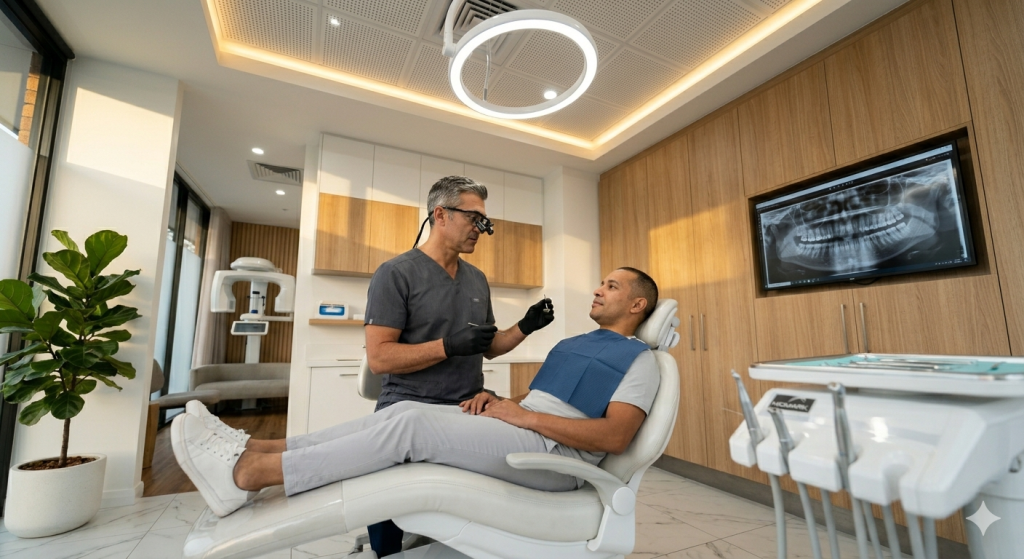
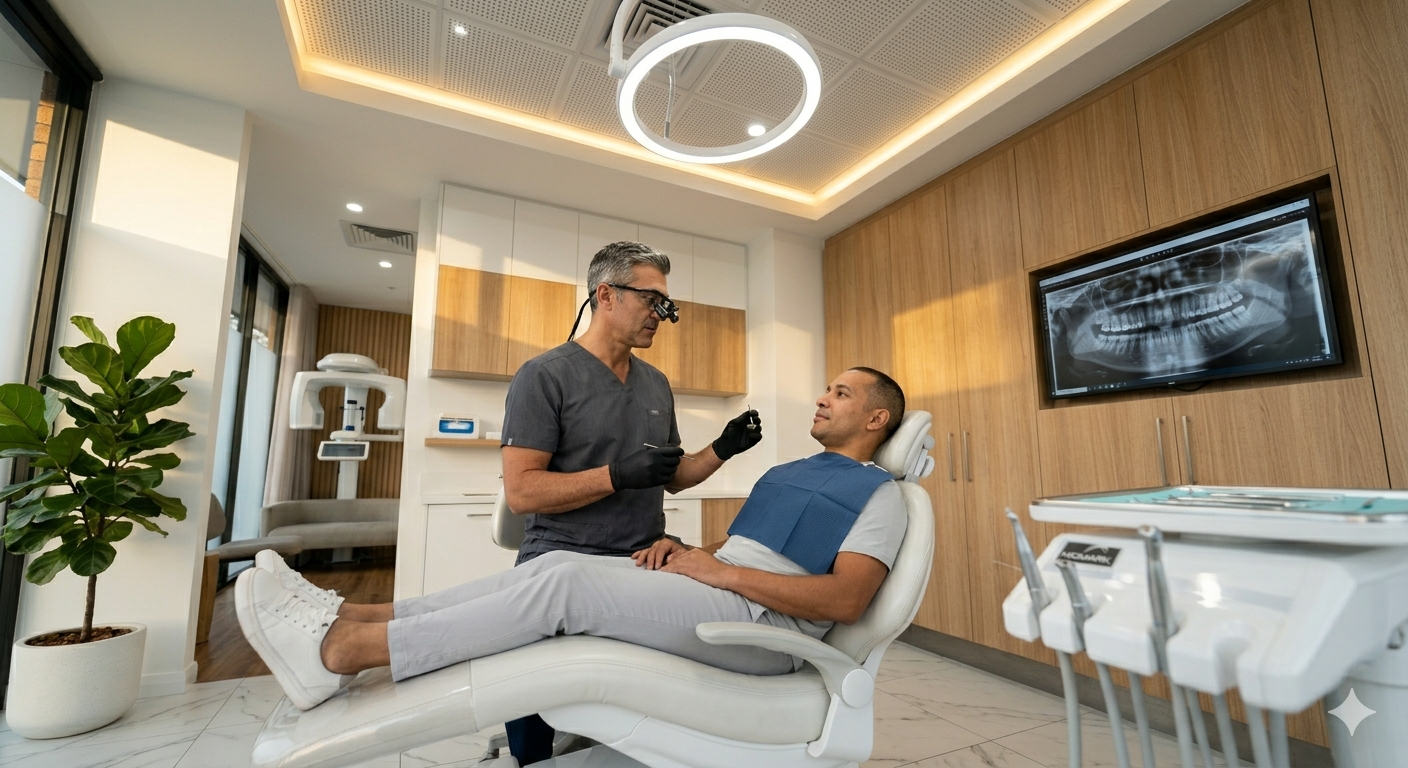
Beyond pain control, offices design treatment rooms with patient comfort in mind. Features like ergonomic chairs, soft lighting, and clear explanations help reduce anxiety during emergency visits.
Technology like digital X-rays offers faster diagnostics with less discomfort, allowing for prompt, precise treatment decisions that address the problem efficiently.
Preventing Dental Emergencies
Taking steps to reduce the chances of a dental emergency can save pain and avoid urgent visits. Simple daily practices and the right protective equipment play a big role in keeping teeth safe from accidents and damage.
Everyday Habits That Reduce Risk
Brushing twice daily with fluoride toothpaste strengthens enamel, making teeth less prone to chipping or decay. Flossing removes plaque between teeth where cavities often start. Avoiding chewing hard objects like ice or pen caps helps prevent cracks or breaks.
Limiting sugary snacks and drinks lowers acid attacks that weaken teeth walls. Staying hydrated supports saliva flow, which naturally protects teeth. Consistent dental check-ups catch small issues before they turn into emergencies, allowing early treatment of decay or gum disease.
Protective Gear for Sports and Activities
Wearing a custom-fitted mouthguard is crucial during any contact sport or high-impact activity. It cushions blows and reduces tooth fractures or loss. Helmets with facial protection add a layer of safety during biking or skateboarding.
Parents should ensure kids use age-appropriate mouthguards, especially if involved in football, hockey, or martial arts. For non-contact sports, a simple mouthguard can still prevent unexpected injuries from falls or collisions. Using the right gear minimizes emergency visits caused by traumatic dental injuries.
Choosing the Right Dentist in Tampa
Finding the right emergency dentist means focusing on experience, availability, and patient comfort. It’s important to feel confident that the provider can handle urgent situations efficiently and with care.
Qualities of a Trustworthy Provider
A reliable emergency dentist in Tampa should have 24/7 availability or at least flexible hours to address unexpected dental pain. They must be trained in handling common dental emergencies like toothaches, broken teeth, or infections promptly.
Look for dentists who offer modern technology such as digital X-rays or sedation options to reduce discomfort. Positive patient reviews and recommendations from local sources also help indicate trustworthiness.
Clear communication is key. A good dentist will explain treatment options calmly and answer questions without rushing. This approach helps patients feel supported during stressful emergencies.
Questions to Ask at Your First Visit
It’s wise to ask about the dentist’s experience with emergencies specifically. For example: “How many emergency cases do you treat weekly?” or “What is your typical response time for urgent appointments?”
Inquire about payment methods and insurance coverage. Knowing if they accept your plan or offer payment plans can ease financial stress during emergencies.
Ask how they manage pain during treatment and what aftercare support patients receive. This reveals their commitment to your comfort before, during, and after your visit.
Costs and Insurance for Unexpected Visits
Emergency dental visits in Tampa, FL, can bring unexpected costs and questions about payment. Knowing what options exist and how insurance plays a role can help patients manage their care without added stress.
Understanding Payment Options
Many emergency dental offices in Tampa offer flexible payment plans tailored to urgent care needs. Some accept credit cards, cash, or online payment methods to make the process smoother on short notice.
Patients should ask about upfront estimates before treatment starts. This helps avoid surprises and allows for budgeting. Clinics might also provide financing options through third-party companies, which break down larger bills into manageable monthly payments.
Dental savings plans are another alternative for those without insurance, offering discounts on emergency procedures. Overall, understanding these choices ensures patients can access prompt care without financial hesitation.
Navigating Dental Insurance Coverage
Dental insurance often covers emergency visits, but coverage varies widely depending on the plan. Most policies include exams, X-rays, and some treatment for accidents or severe pain, but the percentage paid by insurance and out-of-pocket costs differ.
Patients should verify their emergency benefits by contacting their insurer directly. Some plans limit coverage for specific treatments such as root canals or extractions performed in emergencies.
It’s important to check if the emergency provider is in-network, as out-of-network care usually means higher costs. Keeping insurance information updated with the dental office speeds up claims and reduces delays in payment processing.
Moving Forward After a Dental Crisis
After an unexpected dental emergency, the next steps are just as important as the immediate care. The patient should follow the dentist’s instructions closely to support healing and avoid further complications.
Regular checkups become vital to monitor recovery and catch any issues early. The dentist might recommend follow-up treatments like fillings, crowns, or root canals to restore the affected tooth fully.
Patient comfort is a top priority during this phase. Modern dental offices in Tampa often use gentle anesthesia and pain management techniques to make the process smooth. Patients are encouraged to communicate their concerns openly.
Preventive care helps reduce future emergencies. Simple habits like daily flossing, using a soft toothbrush, and avoiding hard foods can protect teeth long term. A balanced diet rich in calcium and vitamins also supports dental health.
| Key Tips After a Dental Emergency |
|---|
| Follow post-care instructions |
| Attend all follow-up visits |
| Maintain good oral hygiene |
| Avoid tobacco and sugary drinks |
| Use recommended dental products |
If pain, swelling, or unusual symptoms persist, contacting the dental office promptly is important. Staying proactive helps achieve the best outcome and peace of mind after a dental crisis.
Frequently Asked Questions
Emergency dental care covers a range of urgent issues like severe pain, swelling, or injuries. Knowing when to seek immediate care, what to do at home, and what to expect can help patients feel more prepared and less stressed.
What counts as a true dental emergency, and when should I go to the ER instead?
A true dental emergency includes uncontrollable bleeding, severe infection with swelling affecting breathing, knocked-out teeth, or intense pain that can’t be managed at home. If swelling causes difficulty breathing or swallowing, visiting the ER is crucial before or alongside dental care.
How quickly can I be seen for sudden tooth pain or swelling after I call?
Many emergency dental offices in Tampa aim to see patients within a few hours of a call. Same-day appointments are often available, especially for severe pain or swelling, to prevent complications.
What should I do at home right now to ease severe tooth pain until my appointment?
Rinsing with warm salt water and taking over-the-counter pain relievers like ibuprofen can help reduce pain and swelling. Avoid very hot, cold, or sugary foods, and try to keep pressure off the affected tooth until you can see the dentist.
How much does an emergency dental visit typically cost, and what payment options are available?
Emergency dental visits in Tampa usually range from $150 to $500, depending on the treatment needed. Many offices accept cash, credit cards, and some dental insurance plans. Payment plans or financing options may also be available.
What can I do if I chipped or knocked out a tooth—can it still be saved?
For a knocked-out tooth, gently rinse it without scrubbing, keep it moist in milk or saliva, and see the dentist within an hour if possible. Chipped teeth should be evaluated quickly to prevent further damage and restore appearance and function.
Will an emergency visit likely involve a root canal, extraction, or just pain relief?
Treatment depends on the cause. Some emergencies require root canals if the nerve is infected, while others may only need pain relief or minor repairs. Extractions happen if the tooth can’t be saved. The dentist will discuss the best option after evaluating the situation.