




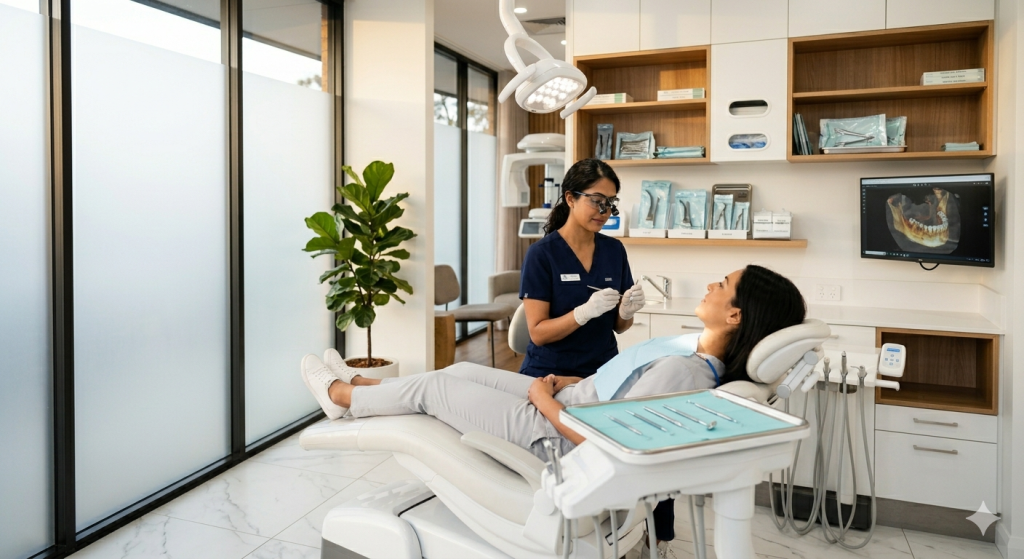
Cosmetic dentistry in Tampa, Florida, offers a variety of options designed to improve the look and health of your smile. From teeth whitening and veneers to dental implants and braces, these treatments can address discoloration, gaps, and alignment issues. Choosing the right cosmetic dentistry service depends on individual goals and comfort, which local experts in Tampa tailor to suit each patient’s needs.
Many patients appreciate that modern cosmetic dentistry combines effective results with a focus on comfort and minimally invasive techniques. Tampa dental offices often use the latest technology to ensure treatments are both safe and efficient, making it easier for people to enjoy a brighter, more confident smile.
Understanding the different options available helps patients make informed choices without feeling overwhelmed. Those curious about improving their smile are encouraged to ask questions and explore personalized plans with trusted Tampa professionals.
Understanding Cosmetic Dentistry Options in Tampa Florida
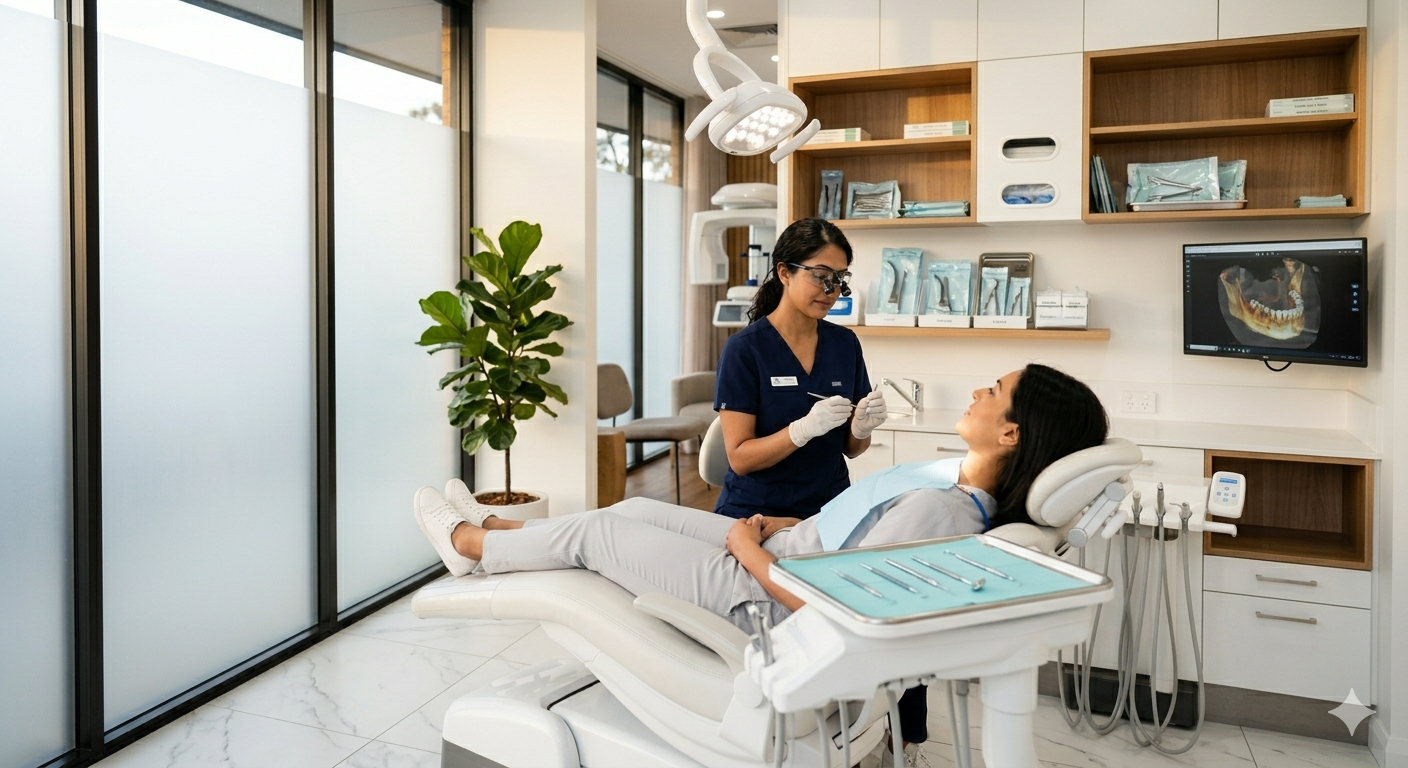
Many dental treatments in Tampa focus on both improving appearance and maintaining oral health. These options range from simple whitening procedures to advanced restorations, all tailored to meet unique patient needs and preferences.
What Is Cosmetic Dentistry?
Cosmetic dentistry involves dental procedures designed primarily to enhance the appearance of teeth, gums, and smiles. It focuses on improving aspects such as tooth color, shape, size, and alignment.
Unlike general dentistry, which addresses overall oral health and disease prevention, cosmetic dentistry centers on aesthetics but can also improve function. Common treatments include teeth whitening, veneers, bonding, and crowns.
In Tampa, cosmetic dentists use modern technology to deliver personalized care that blends natural appearance with durability. This helps patients achieve a confident smile without extensive discomfort or downtime.
Why Consider Cosmetic Dentistry?
People choose cosmetic dentistry in Tampa for many reasons—from boosting self-confidence to correcting imperfections caused by injury or aging. A healthy, attractive smile often improves social and professional interactions.
Many patients seek treatment for stained or chipped teeth, gaps, or uneven bites. Cosmetic dentistry can also address wear from grinding or misalignment that affects chewing and speaking.
Beyond looks, some procedures protect teeth against further damage. For example, crowns restore strength while enhancing appearance. Cosmetic care encourages regular dental visits, supporting long-term oral health.
Popular Procedures in Tampa
Tampa’s cosmetic dentists offer a variety of popular treatments to fit different needs and budgets. Here are some commonly chosen options:
- Teeth Whitening: Removes stains and brightens teeth in one or two office visits.
- Porcelain Veneers: Thin shells bonded to front teeth, improving shape and color.
- Dental Bonding: Uses resin to repair chips or close small gaps.
- Invisalign: Clear aligners straighten teeth without metal braces.
- Dental Implants: Replace missing teeth with durable, natural-looking roots and crowns.
Each procedure can be customized based on the patient’s oral condition and smile goals. Many Tampa offices provide consultations to discuss which options best suit individual cases.
Professional Teeth Whitening Treatments
Many patients want a brighter smile but may feel unsure about the best way to achieve it safely and effectively. Professional whitening options offer tailored results, balancing convenience and power. Whether through quick chairside treatments or customized at-home kits, these methods use stronger bleaching agents than over-the-counter products for noticeable improvement.
In-Office Whitening Solutions
In-office whitening is performed by dental professionals using high-concentration bleaching gels, often containing hydrogen peroxide. Treatments typically last 60 to 90 minutes, providing immediate results that are several shades lighter.
The process begins with a protective barrier to shield gums. Then, the whitening gel is applied and may be activated using a special light or laser. Patients should expect some mild sensitivity during or after the procedure but generally experience minimal discomfort.
This method suits those needing rapid results for events or who want the supervision of an expert. It’s also ideal for patients with stubborn stains caused by medication or aging.
Take-Home Whitening Kits
Custom take-home kits provide a patient-friendly way to whiten teeth over several days or weeks. A dentist first takes impressions of the patient’s teeth to create precise trays that fit perfectly.
These trays are filled with a professional-grade whitening gel and worn for a recommended period, usually 30 minutes to a few hours daily. Results develop gradually but tend to be longer-lasting due to the controlled application.
This option offers flexibility for busy schedules and those sensitive to strong, one-time treatments. Patients receive clear instructions and follow-up support from their dental office.
Benefits and Safety of Professional Whitening
Professional whitening treatments use regulated, safer concentrations of bleaching agents compared to store-bought options. Dentists ensure the patient’s oral health is suitable for whitening, reducing the risk of complications like uneven color or gum irritation.
Benefits include uniform whitening, reduced tooth sensitivity through tailored treatment plans, and expert oversight. Patients also avoid common pitfalls such as overuse or misuse of bleaching products.
Regular checkups allow dentists to monitor progress and adjust treatment if needed. This approach maximizes whitening effectiveness while protecting enamel and gums.
Porcelain Veneers for a Brighter Smile
Porcelain veneers offer a reliable way to improve the look of your teeth by covering imperfections with natural-looking shells. They correct issues like discoloration, chips, and gaps while preserving much of the tooth’s original structure.
How Veneers Transform Your Smile
Veneers are thin porcelain shells custom-made to fit over the front surface of teeth. They can instantly change the color, shape, and size of teeth, creating a uniform, bright smile. This is especially helpful for teeth that do not respond well to whitening treatments or have minor damage.
Because porcelain closely mimics natural enamel, veneers reflect light much like healthy teeth, offering a very natural appearance. People often choose veneers to fix one or multiple teeth, making them a versatile cosmetic option.
The Veneer Placement Process
The process starts with a consultation and smile evaluation. The dentist removes a thin layer of enamel—usually less than half a millimeter—to make space for the veneer. This step helps the veneer fit naturally and prevents bulkiness.
Next, precise impressions are taken and sent to a dental lab to create veneers tailored to your smile’s unique contours. Temporary veneers may be placed during this time. Once ready, the permanent veneers are bonded with a strong dental adhesive, which is hardened using a special light.
Caring for Porcelain Veneers
Veneers need the same daily care as natural teeth: brushing twice a day and flossing. Avoiding hard or sticky foods can prevent chips or lifting. While porcelain is stain-resistant, drinking coffee or smoking regularly may discolor the edges where the veneers meet natural teeth.
Regular dental check-ups keep veneers in good shape and help spot any issues early. Most patients find veneers last 10 to 15 years with proper care, making them a long-lasting investment in confident smiles.
Dental Bonding for Quick Smile Fixes
Dental bonding is a go-to solution for many patients looking to improve their smile fast and with minimal fuss. It fixes common cosmetic concerns without the need for extensive procedures, making it a popular choice in Tampa’s dental offices.
Overview of Dental Bonding
Dental bonding involves applying a tooth-colored resin material directly onto the tooth surface. This resin is carefully shaped and hardened with a special light, blending seamlessly with natural teeth. The procedure usually takes about 30 to 60 minutes per tooth, often completed in a single visit.
Because it’s minimally invasive, bonding typically requires little to no anesthesia. It preserves most of the natural tooth, avoiding the drilling necessary for veneers or crowns. The material is durable but not as strong as other restorations, so patients are advised to avoid biting hard objects.
Best Uses and Limitations
Bonding is excellent for repairing minor chips, cracks, or gaps between teeth. It’s also used to cover discolorations that don’t respond well to whitening. For those wanting a subtle shape change or to lengthen a tooth, bonding offers an affordable and quick option.
However, bonding isn’t ideal for large cavities or major structural damage. The resin can stain over time and may need touch-ups or replacement within 3 to 10 years. Patients with habits like nail-biting or teeth grinding should consider alternatives, as bonding may wear down faster under pressure.
If you’re considering bonding, a consultation with a Tampa dentist can help decide if it fits your smile goals and lifestyle.
Clear Aligners and Invisible Braces
Clear aligners and invisible braces offer a discreet way to straighten teeth without the look and feel of traditional metal braces. They use custom-made, removable trays that apply gentle pressure to move teeth step by step. Comfort, convenience, and effectiveness are key factors that many patients appreciate.
How Clear Aligners Work
Clear aligners are designed using digital scans or molds to fit snugly over a patient’s teeth. Each set of trays shifts teeth slightly before moving on to the next set. This process gradually aligns teeth over weeks or months, depending on the severity of the case.
Patients typically wear the aligners 20 to 22 hours a day, removing them only to eat, drink, and brush. Regular check-ins with the dentist or orthodontist monitor progress and provide new aligner sets. Compared to braces, aligners exert controlled, consistent pressure, which can reduce discomfort during adjustments.
Advantages Over Traditional Braces
One major advantage is their near-invisibility; clear aligners look like thin plastic and aren’t easily noticeable in social or professional settings. They are removable, making it easier to maintain oral hygiene. Patients can brush and floss normally, which reduces the risk of cavities and gum irritation.
Unlike metal braces, clear aligners have no wires or brackets that could irritate the inside of the mouth. Dietary restrictions are minimal since aligners are taken out during meals. The treatment usually involves fewer dental visits, which suits busy schedules.
Who’s a Good Candidate for Clear Aligners
Clear aligners typically suit teens and adults with mild to moderate misalignment, gaps, or overcrowding. Patients with good oral health—free from gum disease or severe tooth decay—are better candidates. Complex bite issues, such as severe overbites or jaw misalignment, might require traditional braces or additional treatments.
Dentists often assess alignment goals, lifestyle, and patient commitment before recommending clear aligners. Since compliance impacts results, patients must be motivated to wear trays as prescribed. A consultation in Tampa will help determine if this option fits the individual’s dental needs and preferences.
Tooth-Colored Fillings for Natural Results
Tooth-colored fillings offer a modern way to repair cavities while keeping your smile looking natural. These fillings blend seamlessly with your teeth and avoid the look and feel of traditional metal options.
Benefits of Composite Fillings
Composite fillings are made from a durable resin that matches the exact shade of your natural teeth. This means they are nearly invisible when placed, enhancing the overall appearance of your smile. They bond directly to the tooth structure, which helps support the remaining tooth and reduces the risk of future damage.
These fillings require less removal of healthy tooth material compared to metal fillings, preserving more of your natural tooth. They are also a safer choice for patients concerned about metals or allergies. The material hardens quickly under a special light, allowing for faster, comfortable treatments.
Replacing Metal Fillings
Many patients choose to replace old metal fillings with tooth-colored alternatives for cosmetic and health reasons. Metal fillings can expand and contract with temperature changes, sometimes causing cracks or discomfort. Composite fillings, in contrast, have better bonding properties and adapt to your bite without causing stress.
Replacing metal fillings also eliminates concerns about mercury content found in some older amalgams. The process typically involves removing the metal, cleaning the area, and carefully placing the composite resin for a smooth finish. This upgrade not only improves appearance but can also protect your tooth’s integrity long term. Dentists in Tampa often recommend this for patients seeking a fresh, natural look.
Dental Crowns and Bridges for Smile Restoration
Dental crowns and bridges are reliable solutions that rebuild damaged or missing teeth, restoring both function and appearance. They improve chewing, prevent teeth from shifting, and can be matched to natural tooth color for a seamless smile.
When to Consider Crowns or Bridges
Crowns are ideal when a tooth is cracked, severely decayed, or weakened after a root canal. They cover the entire tooth, providing strength and protection. Bridges, on the other hand, fill gaps caused by one or more missing teeth. They use adjacent teeth as anchors, keeping the bite stable.
Patients with broken, worn-down, or heavily filled teeth often benefit from crowns. Those missing teeth and wanting to avoid dentures may find bridges a good option. Dentists evaluate oral health, bite alignment, and tooth condition to recommend the best approach.
Materials and Aesthetics
Crowns and bridges come in several materials, including porcelain, ceramic, metal, or combinations. Porcelain and ceramic are popular for their natural look. They mimic tooth translucency and color, making them nearly invisible.
Metal crowns are durable but less aesthetic, often used on back teeth. Porcelain-fused-to-metal crowns offer a balance, combining strength with appearance. The choice depends on factors like location in the mouth, bite force, allergies, and budget.
Modern dental labs create custom restorations for a natural fit. Patients can discuss material options with their dentist to find the best match for comfort and appearance.
Gum Contouring and Smile Makeovers
Gum contouring and smile makeovers target both the health and aesthetics of your smile. They can reshape gums to create a more balanced look and combine multiple treatments for a complete transformation tailored to each patient’s needs.
Improving Gum Health and Appearance
Gum contouring involves removing or reshaping excess gum tissue to reveal more of the teeth’s surface. This procedure can fix a “gummy smile,” where gums cover too much of the teeth, or correct uneven gum lines. It’s usually done with a laser, making the process precise and comfortable, with minimal downtime.
Besides aesthetics, gum contouring helps improve oral health. Excess gums can trap bacteria, increasing the risk of gum disease. By tidying up the gum line, patients experience easier cleaning and reduced inflammation. Dentists in Tampa often combine this with preventive advice to maintain gum health long term.
Comprehensive Smile Makeover Plans
Smile makeovers blend several treatments like whitening, veneers, crowns, and gum contouring to enhance your smile’s appearance and function. Each plan starts with a detailed consultation where the dentist assesses factors such as tooth color, shape, alignment, and gum health.
These plans are fully personalized. For example, a patient with chipped teeth and uneven gums might get bonding, contouring, and whitening. The dentist also considers bite and jaw alignment to ensure the smile looks natural and feels comfortable. Technology like digital imaging often shows patients a preview before starting treatment.
Patients in Tampa appreciate this comprehensive approach because it addresses multiple concerns with fewer visits and coordinated care. It’s a clear path to lasting confidence and oral wellness.
Choosing the Right Cosmetic Dentist in Tampa
Finding the right cosmetic dentist involves more than just a quick online search. It requires checking credentials, understanding what questions to ask, and assessing the comfort and technology offered.
Important Qualifications to Look For
A qualified cosmetic dentist in Tampa should have specific training beyond general dentistry. Look for certifications from recognized boards, such as the American Academy of Cosmetic Dentistry (AACD). These show that the dentist has specialized knowledge in cosmetic procedures like veneers, teeth whitening, and bonding.
Experience matters. A dentist with a portfolio of before-and-after photos can demonstrate their capability and style. Also, verify that they use safe, FDA-approved materials and techniques.
Licensing is crucial. Always check if the dentist’s license is current and if they have any history of disciplinary actions. This ensures a standard of care and professionalism.
Questions to Ask During Your Consultation
During a consultation, it’s important to ask clear, targeted questions. Inquire about the dentist’s experience with the specific procedure you want. For example, “How many times have you placed porcelain veneers?”
Ask about the timeline — how long the treatment will take and what to expect during recovery. Clear information helps set realistic expectations.
Discuss costs and financing options upfront. Cosmetic dentistry can vary widely in price, so knowing if payment plans are available helps avoid surprises.
Lastly, ask about potential risks or complications. A trustworthy dentist will be transparent about what could go wrong and how they handle it.
Patient Comfort and Modern Technology
Patient comfort is a priority in cosmetic dentistry. Look for practices that offer amenities like sedation options, noise-canceling headphones, or calming office designs. These can reduce anxiety during treatment.
Modern technology can improve results and speed up procedures. Digital smile design software lets patients preview their new smile before treatment begins. Intraoral cameras provide detailed images, helping the dentist plan with precision.
Laser dentistry and 3D imaging also enhance safety, reduce discomfort, and shorten recovery times. A dentist investing in these tools shows a commitment to quality care and innovation.
Cost, Financing, and Insurance for Cosmetic Dental Care
Cosmetic dental treatments in Tampa vary widely in cost depending on the procedures chosen and individual needs. Patients often explore different payment options and insurance coverage to manage expenses while achieving their smile goals.
Typical Price Range of Popular Treatments
Common cosmetic procedures have a broad price range. Teeth whitening usually costs between $200 and $600, making it one of the more affordable options. Porcelain veneers tend to be pricier, averaging $900 to $2,500 per tooth, due to their custom design and durability.
Dental bonding is mid-range, typically pricing between $300 and $600 per tooth. Invisalign or clear aligners often run from $3,000 to $7,000, reflecting the complexity of orthodontic correction. These prices can fluctuate based on dental clinic reputation, technology used, and the patient’s specific case.
Financing and Payment Options
Many Tampa dental offices offer flexible financing plans through third-party providers like CareCredit or LendingClub. These allow patients to spread out payments over several months, sometimes with low or zero interest promotions.
Cash payments often come with discounts, and some offices accept major credit cards. It’s important for patients to ask upfront about any hidden fees or payment deadlines. Discussing a personalized payment plan during the consultation helps ease financial concerns.
Understanding Cosmetic Dental Insurance
Most standard dental insurance policies do not cover purely cosmetic procedures, as they are not deemed medically necessary. However, treatments combining cosmetic and restorative benefits, like crowns or orthodontics, might be partially covered.
Patients should carefully review their insurance plans and consult with their dental office’s billing staff. Some dental insurance offers riders or supplemental plans with limited cosmetic coverage. Understanding these details before starting treatment can prevent unexpected out-of-pocket costs.
Maintaining Your New Smile After Cosmetic Dentistry
Keeping a bright, healthy smile requires commitment beyond the dental chair. Understanding daily habits, scheduling regular check-ups, and protecting your investment helps ensure long-lasting results.
Daily Care Tips
Brushing twice a day with a soft-bristled toothbrush and fluoride toothpaste is essential. It helps remove plaque without damaging veneers, crowns, or bonding materials.
Flossing once daily cleans between teeth where a toothbrush can’t reach. For patients with bridges or implants, special floss or interdental brushes may be recommended.
Avoiding stain-causing foods and drinks like coffee, tea, and red wine can reduce discoloration. Using a straw may help limit contact with teeth.
Limiting hard or sticky foods protects restorations from chips or loosening. If teeth grinding is an issue, wearing a nightguard preserves your smile.
Recommended Dental Visits
Routine dental visits every six months are important even after cosmetic treatments. During these appointments, dentists check restoration integrity and overall oral health.
Professional cleanings help remove tartar buildup that daily brushing can’t address. This prevents gum disease, which could threaten cosmetic work.
Dentists may also recommend more frequent visits if you have multiple complex restorations. This allows early detection of any issues and prompt repair.
Regular check-ins provide opportunities to update whitening or polish veneers, maintaining that fresh, attractive look.
Protecting Long-Term Results
Wearing a custom nightguard protects teeth from grinding forces that damage veneers and crowns. It’s especially crucial for patients who clench their jaw unconsciously.
Lifestyle choices also matter. Quitting smoking and reducing sugary foods lower risks for staining and decay around restoration edges.
If playing sports or engaging in physical activities, using a mouthguard prevents accidental trauma to teeth and cosmetic work.
Finally, follow all dentist instructions on cleaning and maintenance products. Using recommended toothpaste and avoiding abrasive methods keeps restorations strong and natural-looking.
Consulting your cosmetic dentist about any concerns helps keep your smile healthy and radiant for years to come.
Taking the Next Steps Toward Your Ideal Smile
Once someone decides to explore cosmetic dentistry in Tampa, the first step is scheduling a consultation. During this visit, the dentist listens carefully to the patient’s goals and examines their oral health. This helps create a personalized treatment plan that fits their needs and lifestyle.
It’s important to ask questions about each option, like veneers, teeth whitening, or Invisalign. Understanding the process, expected results, and recovery time can make the experience less stressful. Patients should also discuss any dental anxiety upfront; many offices offer sedation or calming techniques to ensure comfort.
Here’s a simple checklist to prepare for the consultation:
- List personal smile goals
- Note any dental concerns or sensitivities
- Bring photos of smiles you admire
- Prepare questions about treatments, costs, and timelines
Choosing a skilled cosmetic dentist who uses modern technology is key for successful outcomes. Many Tampa offices now offer 3D imaging and digital smile design to show patients a preview of their new look.
Encouraging open communication from the start builds trust. When patients feel comfortable and informed, taking those next steps toward a brighter smile becomes a positive journey.
Frequently Asked Questions
Cosmetic dentistry involves several treatment options, each suited to different smile goals and dental conditions. Understanding what to expect, costs, and care routines can help patients make confident choices.
How do I know whether veneers, bonding, or teeth whitening is the best fit for my smile goals?
Veneers are ideal for covering imperfections like chips, gaps, or severe discoloration. Bonding works well for smaller fixes such as minor chips or cracks. Teeth whitening is best for brightening natural teeth without changing their shape.
What should I expect during a cosmetic dental consultation, and will it be comfortable?
A consultation generally includes a smile assessment and discussion of your goals. The dentist may take photos, X-rays, or impressions. The process is non-invasive and designed to be comfortable, with plenty of time for questions.
How long do porcelain veneers typically last, and how do I care for them day to day?
Porcelain veneers usually last 10 to 15 years with proper care. Daily habits like gentle brushing, flossing, and avoiding hard foods help keep them in good shape. Regular dental check-ups are essential for long-term maintenance.
About how much does a full set of veneers cost in Florida, and what factors affect the total price?
A full set of veneers in Florida typically costs between $10,000 and $25,000. Factors include the number of teeth treated, materials used, and the dentist’s experience. Additional treatments or adjustments can also affect the price.
Can cosmetic dental treatments help if I have crooked teeth but want to avoid braces?
Yes. Options like veneers or bonding can mask crooked teeth, and clear aligners offer a less noticeable way to straighten smiles. A dentist can recommend the best approach based on tooth alignment and desired results.
How do I choose a cosmetic dentist and what should I look for in before-and-after photos and reviews?
Look for dentists with specialized cosmetic training and positive patient reviews. Before-and-after photos should show natural, consistent results with good color matching and tooth shape. Reviews that mention comfort and clear communication are also helpful.