




When a dental emergency strikes in Tampa, knowing where to turn can ease a lot of stress. An emergency dentist in Tampa provides prompt care for urgent dental issues like severe tooth pain, broken teeth, or dental injuries. This quick response helps prevent further damage and starts the healing process right away.
Many people worry about finding immediate help outside regular office hours, but Tampa offers several emergency dental clinics ready to assist. These dentists focus on patient comfort and use modern techniques to relieve pain and stabilize the problem effectively.
Whether it’s a sudden toothache or an accident that causes a dental injury, timely treatment is key. Understanding the options available can help patients feel more confident and prepared to handle unexpected dental problems with care and calm.
What Is an Emergency Dentist in Tampa?
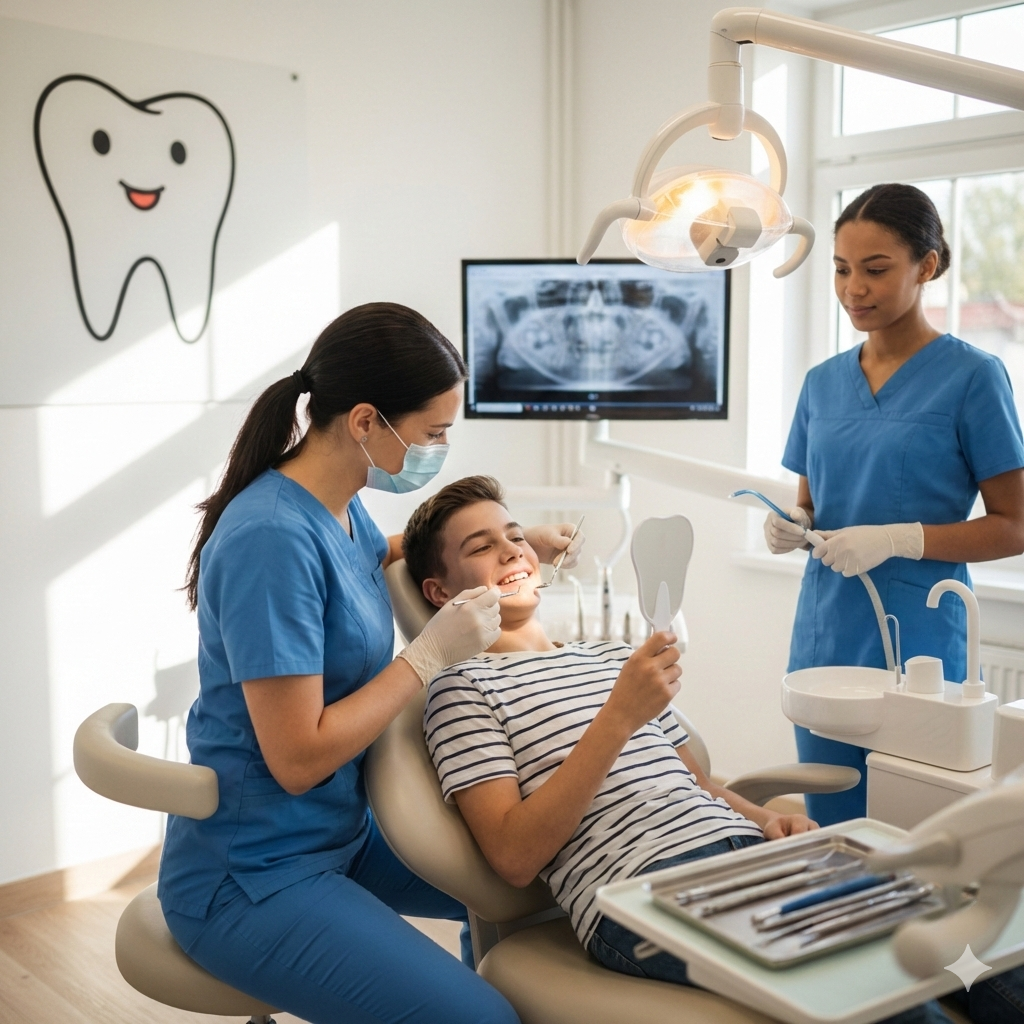
An emergency dentist in Tampa provides urgent care for dental issues that require immediate attention. These specialists are trained to handle situations that could cause pain, infection, or damage if left untreated. Understanding their role helps patients know when to seek quick dental care.
Definition and Qualifications
An emergency dentist in Tampa is a licensed dental professional focused on urgent dental care. They hold the same qualifications as general dentists but have additional experience or training in handling dental emergencies. This includes managing severe toothaches, cracked teeth, or oral injuries.
They often work outside regular office hours to be available when emergencies strike. Many emergency dentists also coordinate with local hospitals or urgent care centers to provide comprehensive treatment. Their goal is to relieve pain and prevent further dental damage promptly and effectively.
Common Emergency Dental Scenarios
Common reasons people visit an emergency dentist include sudden tooth pain, knocked-out teeth, broken fillings, or lost crowns. Other scenarios are severe gum swelling, abscesses, or injuries from accidents that affect teeth or soft tissues.
For example, a sports injury causing a tooth fracture needs quick care to avoid infection or tooth loss. Similarly, a painful abscess requires immediate treatment to stop spreading infection. Emergency dentists focus on these urgent conditions that cannot wait for a regular dental appointment.
How Emergency Dentistry Differs from General Dentistry
Emergency dentistry prioritizes urgent care and pain relief over routine checkups or cosmetic procedures. Unlike general dentistry, emergency dental visits often involve rapid diagnosis and treatment to stabilize the problem immediately.
Treatment can include tooth extractions, root canals, or temporary repairs to prevent further damage. Time is a critical factor, so emergency dentists often use streamlined processes to address pain and serious damage quickly. Their approach is practical and focused on keeping patients comfortable while preserving oral health.
If you experience sudden tooth pain or injury, contacting an emergency dentist in Tampa can provide the fast relief and care you need.
Types of Dental Emergencies
Dental emergencies come in different forms, each requiring prompt care to prevent further damage or pain. Knowing how to recognize and respond to these situations can make a big difference in outcomes.
Knocked-Out Teeth
When a tooth is completely knocked out, time is critical. The tooth has the best chance of being saved if it is replanted within 30 minutes. It is important to hold the tooth by the crown (the part that is normally visible), not the root, to avoid damaging its cells.
If possible, rinse the tooth gently with water—avoid scrubbing or using soap. Then, try to place it back into the socket or keep it in a container with milk or saline solution to preserve it. Immediate emergency dental care is essential. Failure to act quickly can lead to permanent tooth loss.
Severe Toothaches
Severe toothaches can signal infection, decay, or even a cracked tooth. The pain may be constant, sharp, or throbbing and could worsen with chewing or exposure to hot or cold temperatures.
It’s important to avoid ignoring severe tooth pain, as it often indicates an underlying problem needing prompt attention. Over-the-counter pain relief and cold compresses can help reduce discomfort temporarily. However, an emergency dentist can diagnose the cause and provide treatments like root canals or antibiotics to resolve infection.
Broken or Chipped Teeth
Chipped or broken teeth vary in severity. Minor chips may not cause pain, but larger breaks can expose the tooth’s sensitive inner layers causing discomfort or sensitivity to temperature.
Patients should save any broken tooth pieces and rinse the mouth with warm water. Avoid chewing on the affected side to prevent further damage. Emergency dental care can involve bonding, crowns, or veneers depending on the extent of the break, helping restore function and appearance safely.
Lost Fillings or Crowns
When a filling or crown falls out, the exposed tooth can become sensitive or prone to decay. This is often due to weakening over time or trauma.
In the meantime, the tooth can be protected by applying dental cement found at pharmacies or using sugar-free gum as a temporary seal. Avoid sticky or hard foods. Visiting a dentist quickly is important to fix the gap, preventing further damage or infection with durable, custom restorations.
When to Seek Emergency Dental Care in Tampa
Knowing when to get urgent dental treatment can save a tooth and relieve pain quickly. Some situations require immediate attention, while others can wait until regular office hours without risk.
Signs Your Situation Is Urgent
If there is severe, uncontrollable bleeding in the mouth or after an injury, prompt dental care is needed. A knocked-out tooth or one that is loose from trauma should be treated as soon as possible to improve the chance of saving it.
Intense pain that doesn’t improve with over-the-counter pain relievers or swelling that affects breathing or swallowing calls for emergency care. Signs of infection, such as fever with a painful, swollen area in the mouth, should be addressed quickly to avoid complications.
What Can Wait Until Regular Hours
Minor toothaches, slight sensitivity, or small chips and cracks that don’t cause pain can typically wait for a scheduled visit. If the discomfort is mild and no swelling or bleeding is present, it’s best to see the dentist during normal office hours.
Lost fillings or crowns that are not causing pain or irritation also usually don’t require immediate action. In these cases, protecting the tooth by avoiding hard or sticky foods until the appointment is advised.
What to Expect During an Emergency Dental Visit
An emergency dental visit starts with quickly identifying the problem and easing any pain. The dentist will then discuss treatment choices tailored to the injury or infection. Finally, patients get clear instructions on care to promote healing and avoid further issues.
Initial Assessment and Pain Relief
When a patient arrives, the dentist begins with a thorough check of the mouth, teeth, and gums to understand the cause of pain or trauma. This includes asking about symptoms, timing, and any recent accidents. X-rays or scans may be taken to get a clear picture of the problem.
Pain relief is a priority. The dentist might use local anesthesia or prescribe medication to manage discomfort during the examination and treatment. Immediate steps like cooling swelling or stabilizing a knocked-out tooth are often done to prevent worsening.
Treatment Options
Treatment depends on the diagnosis. Common emergency procedures include fixing broken teeth with bonding or crowns, draining abscesses, or performing root canals to stop infection. In cases of severe injury, extraction might be necessary if the tooth can’t be saved.
The dentist explains each option clearly, considering patient comfort and healing time. They also advise on the materials used and what the patient should expect during recovery. Emergency dental clinics often have the tools and staff to handle many urgent needs in one visit.
Follow-Up and Aftercare
After treatment, the dentist provides instructions to help patients heal properly at home. This usually involves pain management advice, cleaning tips, and dietary recommendations to avoid stressing the treated area. Follow-up appointments are scheduled when necessary to monitor recovery.
Patients learn signs of potential complications such as increased pain or swelling. The dentist encourages reaching out if symptoms worsen. This ongoing communication ensures better outcomes and supports long-term dental health.
Modern Technology in Tampa Emergency Dentistry
Tampa emergency dentists use the latest tools to quickly identify problems and provide efficient treatment. They focus on patient comfort and speed, ensuring diagnosis and repairs happen with minimal wait.
Digital X-Rays
Digital x-rays are faster and clearer than traditional film. They expose patients to less radiation, making the process safer, especially in urgent cases.
The images appear instantly on a screen, allowing the dentist to detect fractures, infections, or unseen issues right away. This technology helps to create precise treatment plans without delay.
Because digital x-rays are easy to store and share, dentists can consult specialists quickly if needed. Plus, patients can see the images themselves, which helps them understand their condition better.
Same-Day Restorations
Same-day restorations use advanced materials and in-office tools to fix damaged teeth in one visit. With CAD/CAM technology, dentists can design and mill crowns or fillings right there during the appointment.
This approach saves patients from multiple trips and speeds up relief from pain or sensitivity. The materials used are durable and look natural, blending seamlessly with other teeth.
By combining accurate diagnosis with on-the-spot restoration, Tampa emergency dentists reduce treatment time and help patients get back to normal fast. Patients appreciate the convenience and quality of care these options provide.
How to Find an Emergency Dentist in Tampa
Finding the right emergency dentist involves checking for specific qualities and ensuring they are available when needed. Accessibility matters just as much as experience, especially in urgent situations.
Qualities to Look For
A reliable emergency dentist in Tampa should have experience treating a wide range of urgent dental issues like severe toothaches, broken teeth, and infections. Look for someone who uses modern equipment and follows strict hygiene protocols to keep patients safe and comfortable.
Patient reviews and professional credentials also matter. Positive feedback on quick, compassionate care can indicate a dentist who handles emergencies well. Additionally, a dentist who offers clear communication and explains treatment options calmly can ease anxiety during stressful moments.
Availability and Accessibility
Emergencies don’t keep business hours, so dentists with extended evening or weekend hours are vital. Some clinics also offer walk-in appointments or same-day visits, which help when pain starts suddenly.
Location is another key factor. A dentist near your home or work reduces travel time. Plus, check if they accept your insurance and offer transparent pricing. Quick access and clear costs prevent added stress during an emergency.
Tips for Managing Dental Emergencies at Home
Handling a dental emergency at home requires calm and clear action. Knowing the right steps to take immediately and how to manage pain can make a big difference in preventing further damage or discomfort.
Immediate First Aid
When a dental injury happens, quick and proper first aid is critical. For a knocked-out tooth, gently rinse it with water without scrubbing. Then, try to place it back in the socket carefully; if that’s not possible, keep it moist in milk or saline solution.
For a broken or chipped tooth, rinse the mouth with warm water to clean it. Use a cold compress on the outside of the cheek to reduce swelling or bleeding. Avoid touching the broken edges with the tongue or fingers, as this can cause more damage or irritation.
If bleeding occurs, apply gentle pressure with gauze or a clean cloth. Sitting upright helps reduce blood flow to the head and manage bleeding better. Do not use aspirin or other blood thinners directly on the gums.
Pain Management Advice
Pain relief after a dental injury is important to keep discomfort under control. Over-the-counter pain medications like ibuprofen or acetaminophen can be effective but should be taken according to the package instructions.
Avoid hot or cold drinks and foods if they trigger sensitivity. Rinsing with warm salt water can soothe irritated gums and reduce bacteria in the mouth.
Using a cold compress or ice pack on the face can help numb the pain and reduce swelling. Apply it in 15-minute intervals to prevent skin irritation.
If pain worsens or lasts more than a day, contacting a dentist promptly will ensure proper care. Pain is the body’s signal that professional treatment is needed.
Preventing Dental Emergencies
Taking active steps to avoid dental emergencies can save discomfort and unexpected expenses. Simple habits and timely dental checkups play a crucial role in protecting teeth from damage and identifying issues early.
Protective Habits
Wearing a mouthguard during sports or physical activities significantly reduces the risk of chipped or broken teeth. Dentists often recommend custom-fitted guards for the best protection and comfort.
Avoid using teeth as tools—do not open bottles or tear packages with them. This prevents cracks and fractures.
Chewing slowly and avoiding hard foods like ice or unpopped popcorn kernels protects enamel from sudden stress. Proper oral hygiene—brushing twice daily with fluoride toothpaste and flossing—strengthens teeth and reduces decay risk, which otherwise could lead to emergencies like abscesses.
Regular Checkups in Tampa
Scheduling dental exams every six months helps catch problems early before they become emergencies. Tampa dentists use digital X-rays and thorough cleanings to detect cavities, gum disease, or brittle enamel.
During visits, dentists can offer personalized advice on protecting teeth based on lifestyle or medical history. They may apply sealants or fluoride treatments to reinforce vulnerable areas.
Regular visits also mean professional intervention can prevent small issues from turning into serious pain or tooth loss. Tampa patients benefit from local offices familiar with common regional dental challenges.
The Importance of Comfort and Compassion in Emergency Care
When dental emergencies happen, pain and fear often go hand in hand. A caring emergency dentist in Tampa understands this and prioritizes comfort as much as treatment.
Compassionate care can make a big difference. Patients feel calmer when dentists listen patiently and explain each step clearly. This reduces anxiety and builds trust.
Comfort isn’t just about kindness — it also means using modern tools and techniques. Gentle numbing methods and quick pain relief options help patients relax and heal faster.
Emergency visits can be stressful. Friendly staff who show empathy help ease that stress. They guide patients calmly from arrival through follow-up care.
Here’s what compassionate emergency care focuses on:
- Listening closely to patient concerns
- Providing clear, simple explanations
- Offering pain management tailored to individual needs
- Creating a welcoming, low-stress environment
Choosing a dentist who values comfort and compassion ensures that patients get both expert care and emotional support. It’s important to feel safe in a crisis, so seeking help without delay becomes easier.
Taking the Next Step Toward Dental Wellness in Tampa
When someone experiences a dental emergency in Tampa, the priority is quick and effective care. Visiting an emergency dentist ensures pain relief and prevents further damage. These professionals focus on comfort and use modern techniques to make treatment as smooth as possible.
Beyond emergency visits, regular dental checkups are key to long-term wellness. Tampa dentists emphasize preventive care like cleanings, exams, and patient education. This approach helps catch problems early and reduces the chance of future emergencies.
If someone is unsure where to start, many Tampa clinics offer flexible scheduling and personalized treatment plans. They welcome questions and take time to explain procedures clearly. Patients are encouraged to discuss any fears or concerns during their visit.
Simple steps for better dental health include:
- Brushing twice daily with fluoride toothpaste
- Flossing once a day
- Avoiding sugary snacks and drinks
- Scheduling biannual dental exams
Taking that first step toward a trusted emergency dentist or general care provider can ease anxiety. It also opens the door to professional support tailored to each person’s needs. Tampa residents should feel confident reaching out for personalized advice or to arrange a consultation.
Frequently Asked Questions
Knowing how to respond quickly and effectively can ease stress during a dental emergency. Understanding when to seek care, managing pain, and what to expect can help patients feel more prepared.
What immediate steps should I take if I have a dental emergency after regular office hours?
Calling an emergency dentist in Tampa is the best first step. If you cannot reach one, urgent care clinics or hospital emergency rooms can help with severe pain or injury.
Rinse your mouth gently with warm water and use a cold compress on the outside if there is swelling.
Can I get same-day dental care in Tampa for a severe toothache?
Yes, many emergency dentists in Tampa offer same-day appointments for severe toothaches. Calling early can improve the chance of securing a spot.
They will assess the cause and may provide treatment or pain relief options during that visit.
What are the options for pain relief if I can’t see a dentist right away?
Over-the-counter pain medications like ibuprofen or acetaminophen can help reduce pain and inflammation. Avoid aspirin as it can increase bleeding.
Applying a cold compress to the cheek or rinsing with saltwater may also provide temporary relief.
How do I know if my dental issue is urgent enough to seek emergency care?
Severe pain, uncontrolled bleeding, knocked-out teeth, or facial swelling are clear signs to seek immediate care. Difficulty breathing or swallowing needs emergency attention too.
Minor chips or discomfort may wait for a regular dental appointment.
What should I expect during an emergency dental visit?
The dentist will first evaluate your pain and injury level. X-rays or exams often follow to determine the best treatment.
Treatment may include cleaning wounds, filling cavities, root canals, extractions, or prescriptions for antibiotics and pain relief.
Are there any emergency dentists in Tampa who accept new patients without insurance?
Yes, several emergency dentists in Tampa welcome new patients and offer payment plans or discounts. It’s helpful to call ahead to ask about costs and insurance options.
Many clinics prioritize care over insurance status to address urgent dental needs promptly.